

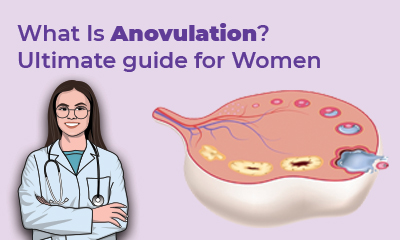
Ovulation is an essential part of a woman’s reproductive cycle. Each month, the ovaries release an egg, creating the opportunity for fertilisation and pregnancy. However, some women may not ovulate regularly or may stop ovulating altogether. This condition is known as anovulation and is a common factor contributing to female infertility.
At KIC Delfinium, fertility specialists frequently diagnose and treat ovulation disorders. With accurate evaluation and personalised anovulation treatment, many women are able to restore ovulation and improve their chances of conceiving.
Understanding Anovulation
Anovulation occurs when the ovaries do not release an egg during the menstrual cycle. Since fertilisation requires an egg, the absence of ovulation makes natural conception difficult.
While occasional anovulatory cycles can occur in some women, persistent or chronic anovulation may lead to irregular menstrual cycles and fertility challenges.
Ovulatory disorders are responsible for a large percentage of infertility cases among women. The good news is that with modern fertility treatments and proper medical care, many women with anovulation can successfully achieve pregnancy.
Common Causes of Anovulation
Several medical conditions and hormonal factors can interfere with the ovulation process. Some of the most common causes include:
1. Hormonal Imbalance
Hormones such as FSH, LH, estrogen, and progesterone regulate the ovulation cycle. Any imbalance in these hormones can prevent the ovaries from releasing an egg.
2. Polycystic Ovary Syndrome (PCOS)
PCOS is one of the leading causes of ovulation problems. Women with PCOS often experience irregular periods, high androgen levels, and difficulty ovulating.
3. Thyroid Disorders
Conditions like hypothyroidism or hyperthyroidism can disturb hormone balance and affect normal ovulation.
4. Lifestyle and Stress Factors
High stress levels, excessive exercise, sudden weight changes, or obesity can disrupt hormonal regulation and interfere with ovulation.
5. Premature Ovarian Insufficiency
Sometimes the ovaries stop functioning properly before the age of 40, which may lead to anovulation.
6. Certain Medications
Some medications may affect hormone production and disrupt the normal ovulation process.
Symptoms of Anovulation
Anovulation may not always cause noticeable symptoms. However, certain signs may indicate ovulation problems, including:
• Irregular menstrual cycles
• Missed or absent periods
• Extremely light or unusually heavy bleeding
• Difficulty conceiving
• Lack of common premenstrual symptoms
• Hormonal acne or excessive facial hair (often associated with PCOS)
Women who experience irregular cycles or fertility difficulties should seek medical evaluation to determine whether ovulation is occurring normally.
How Is Anovulation Diagnosed?
Fertility specialists use several diagnostic methods to identify ovulation disorders, including:
• Blood tests to evaluate hormone levels
• Ultrasound scans to observe ovarian follicles
• Ovulation tracking and cycle monitoring
• Thyroid and metabolic function tests
At KIC Delfinium, advanced diagnostic techniques help fertility experts identify the exact cause of ovulation issues and recommend the most suitable treatment plan.
Anovulation Treatment Options
The treatment approach for anovulation depends on the underlying cause. Many women can successfully conceive once ovulation is restored.
1. Lifestyle Changes
Healthy lifestyle adjustments can sometimes help regulate ovulation naturally. These may include:
• Maintaining a healthy body weight
• Reducing stress levels
• Eating a balanced and nutritious diet
• Engaging in regular but moderate exercise
2. Ovulation Induction Medications
Doctors may prescribe fertility medications that stimulate the ovaries to release eggs. These medications help regulate hormone activity and encourage ovulation.
3. Hormonal Therapy
If hormonal disorders such as thyroid imbalance are present, hormone therapy may be recommended to restore normal reproductive function.
4. PCOS Management
Women diagnosed with PCOS often benefit from a combination of medication, lifestyle improvements, and fertility treatments to promote ovulation.
5. Assisted Reproductive Techniques
If ovulation treatments alone are not successful, assisted fertility procedures may be recommended, including:
• Intrauterine Insemination (IUI)
• In Vitro Fertilization (IVF)
These techniques help increase the chances of fertilisation and a successful pregnancy.
When Should You Consult a Fertility Specialist?
It may be time to seek expert advice if:
• Your menstrual cycles are irregular or absent
• You have been trying to conceive for over a year without success
• You have been diagnosed with PCOS or hormonal disorders
• Ovulation tests consistently indicate no ovulation
Early evaluation can help identify the problem and improve the chances of successful treatment.
Fertility Care at KIC Delfinium
KIC Delfinium provides comprehensive fertility care with advanced diagnostic tools and personalised treatment plans. The clinic’s experienced fertility specialists focus on identifying the root cause of ovulation disorders and guiding patients through the most effective treatment options.
From ovulation induction therapies to advanced assisted reproductive technologies, patients receive supportive and customised care designed to help them achieve their dream of parenthood.
Frequently Asked Questions (FAQs)
1. Can women with anovulation still get pregnant?
Yes. With proper treatment such as ovulation induction, lifestyle changes, or assisted reproductive techniques, many women with anovulation are able to conceive successfully.
2. What is the most common cause of anovulation?
Polycystic Ovary Syndrome (PCOS) is one of the most frequent causes of ovulation disorders in women of reproductive age.
3. How do doctors diagnose anovulation?
Doctors usually diagnose ovulation issues through hormone blood tests, ultrasound monitoring, and ovulation tracking.
4. Is anovulation treatable?
Yes. In many cases, anovulation can be managed effectively through medication, hormonal treatment, and lifestyle changes.
5. What fertility treatments are available for anovulation?
Treatment options include ovulation induction medications, hormone therapy, PCOS management, and assisted reproductive techniques such as IUI and IVF.