Isthmocele After C-Section: A Treatable Cause of Secondary Infertility
Fertility

Isthmocele After C-Section: A Treatable Cause of Secondary Infertility

Struggling to conceive after an earlier successful pregnancy can be emotionally challenging. In many cases, the issue may not be…
Read More


Azoospermia: When Sperm Are Absent and Answers Matter
Fertility

Azoospermia: When Sperm Are Absent and Answers Matter

Sperm are not something you can see or sense, which is why many men remain unaware of fertility issues until…

Read More


Finding Hope After Recurrent Pregnancy Loss at KIC Delfinium, Delhi
Fertility

Finding Hope After Recurrent Pregnancy Loss at KIC Delfinium, Delhi

Recurrent pregnancy loss can be an emotionally exhausting and deeply distressing experience for couples trying to conceive. Repeated miscarriages often…

Read More


Advanced PCOS Ovarian Drilling Procedure at KIC Delfinium, Delhi
Fertility

Advanced PCOS Ovarian Drilling Procedure at KIC Delfinium, Delhi

PCOS ovarian drilling is a minimally invasive fertility treatment offered at KIC Delfinium, Delhi, for women struggling with anovulation caused…

Read More


Surgical Sperm Retrieval in Delhi: Advanced Care for Male Fertility
Fertility

Surgical Sperm Retrieval in Delhi: Advanced Care for Male Fertility

Surgical sperm retrieval is a specialised medical procedure used to collect sperm directly from the testicles, forming an essential part…

Read More


Endometrium and Infertility: Understanding the Connection and Effective Treatment Solutions | KIC Delfinium
Fertility

Endometrium and Infertility: Understanding the Connection and Effective Treatment Solutions | KIC Delfinium

The endometrium, the soft and vascular inner lining of the uterus, plays a vital role in achieving and maintaining pregnancy….

Read More


Preimplantation Genetic Testing in Delhi: Ensuring Healthier Embryos for Successful IVF
Fertility

Preimplantation Genetic Testing in Delhi: Ensuring Healthier Embryos for Successful IVF

Couples undergoing fertility treatments often dream of a healthy pregnancy and a successful outcome. However, genetic abnormalities in embryos can…

Read More


Egg Freezing for Career-Oriented Women: Balancing Motherhood and Professional Goals
Fertility

Egg Freezing for Career-Oriented Women: Balancing Motherhood and Professional Goals

In recent years, the workforce has seen a notable increase in ambitious, career-driven women who are also thinking carefully about…

Read More


Ovarian Rejuvenation in Delhi – A New Hope for Women with Low Ovarian Reserve
Fertility

Ovarian Rejuvenation in Delhi – A New Hope for Women with Low Ovarian Reserve

What is Ovarian Rejuvenation? Ovarian Rejuvenation is an innovative fertility treatment offering renewed possibilities for women who struggle with infertility…

Read More


Signs You Should Visit a Fertility Specialist
Fertility

Signs You Should Visit a Fertility Specialist

Planning for a baby is a joyful journey for most couples, but not everyone conceives easily. Some face unexpected hurdles…

Read More


Best Age for IVF : Does It Really Affect Your Chances?
IVF

Best Age for IVF : Does It Really Affect Your Chances?

When planning to start a family, many couples worry about age—especially if they are considering IVF treatment in Delhi. The…

Read More


Female Infertility Treatment for Advanced Maternal Age
Fertility

Female Infertility Treatment for Advanced Maternal Age

Timing matters when it comes to parenthood. Fertility and age are closely connected—especially for women. As age increases, the number…

Read More


Understanding Anti-Müllerian Hormone and Ovarian Reserve Assessment
AMH

Understanding Anti-Müllerian Hormone and Ovarian Reserve Assessment

The Anti-Müllerian Hormone (AMH) test serves as a crucial diagnostic tool that enables reproductive specialists to evaluate a woman's remaining…

Read More


IVF vs. ICSI: How to Choose the Right Fertility Treatment
IVF

IVF vs. ICSI: How to Choose the Right Fertility Treatment

If you are looking for Fertility treatment in Delhi you have landed on a right page. You must have heard…

Read More


Myomectomy surgery in Delhi
Myomectomy

Myomectomy surgery in Delhi

Laparoscopic vs. Open Myomectomy: Choosing the Best Option for Fibroid Treatment Best Fibroid removal surgery Hospital in Delhi Uterine fibroids…

Read More


Best female Infertility Treatment in Delhi
Fertility

Best female Infertility Treatment in Delhi

Best Female Fertility clinic in Delhi Ovarian Cysts and Female Fertility: Best female Infertility Treatment in Delhi Infertility is a…

Read More


IVF in India: Guide from Exploration to Treatment
IVF

IVF in India: Guide from Exploration to Treatment

Infertility affects millions of couples worldwide, but thanks to IVF (in vitro fertilization), parenthood is now within reach for many….

Read More


Why Delhi High Court Approved Parents’ Request for Their Dead Son’s Sperm
Surrogacy

Why Delhi High Court Approved Parents’ Request for Their Dead Son’s Sperm

The Delhi High Court permitted an elderly couple to access their deceased son's frozen semen for surrogacy, establishing that Indian…

Read More


The Right to Parenthood After Loss: How a Landmark Court Ruling is Shaping Surrogacy Laws in India
Surrogacy

The Right to Parenthood After Loss: How a Landmark Court Ruling is Shaping Surrogacy Laws in India

A couple in India have said they are "delighted" after a court ordered a hospital to hand over the frozen…

Read More


IVF Treatment and Its Success Rate
IVF

IVF Treatment and Its Success Rate

IVF treatment is the most prevalent and highly effective treatment for childless couples. It involves the fertilization of an egg…

Read More

27-01-2026-Blog-image.jpg.jpeg

27 January 2026 Fertility0

Struggling to conceive after an earlier successful pregnancy can be emotionally challenging. In many cases, the issue may not be related to hormones or egg quality but to a previous Caesarean delivery. Isthmocele after C-section is a condition where the uterine scar does not heal completely, leading to abnormal bleeding and fertility difficulties.
With early diagnosis and appropriate isthmocele treatment, many women can successfully conceive again. At KICDelfinium, Delhi, women with unexplained secondary infertility are thoroughly evaluated to identify conditions like isthmocele and provide targeted treatment.

What Is Isthmocele After C-Section?

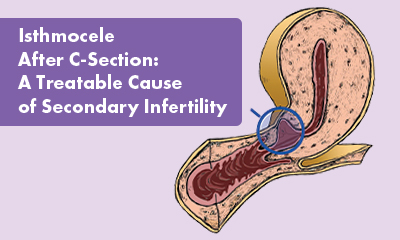
An isthmocele is a small pouch-like defect that develops at the site of a previous C-section scar. Ideally, the uterine incision heals smoothly after surgery. However, in some women, incomplete healing results in a niche or indentation in the lower part of the uterus.
This defect can trap menstrual blood, preventing complete drainage during periods. Also known as a C-section scar defect, isthmocele is being diagnosed more frequently due to the rising number of Caesarean deliveries.

Symptoms Linked to Isthmocele

The symptoms of isthmocele can differ from one woman to another. Some may not notice any symptoms, while others experience persistent discomfort. Common signs include:
• Brown or dark spotting after menstruation
• Prolonged or heavy periods
• Pelvic pain or pressure
• A feeling that menstrual flow is not complete
Because these symptoms can be subtle, isthmocele often goes undetected, especially when infertility is the main concern.

How Isthmocele After C-Section Impacts Fertility

Isthmocele can affect fertility through several mechanisms:

1. Unhealthy Uterine Environment

Collected old blood within the scar can cause inflammation, making the uterus less supportive for sperm movement and fertilisation.

2. Reduced Implantation Chances

Chronic irritation of the uterine lining can interfere with embryo implantation, leading to repeated conception failure.

3. Menstrual Irregularities

Ongoing spotting may disturb hormonal balance and ovulation timing, lowering the chances of natural conception.

4. Secondary Infertility

Many women with isthmocele experience difficulty conceiving after a previous childbirth, most commonly following a C-section.

Who Is at Higher Risk of Developing Isthmocele?

Women are more likely to develop isthmocele after C-section if they have:
• One or more Caesarean deliveries
• Closely spaced or multiple C-sections
• Delayed or poor surgical wound healing
• Persistent abnormal bleeding after delivery
It is important to understand that isthmocele can occur even after a single C-section.

How Is Isthmocele Diagnosed?

At KICDelfinium, Delhi, diagnosis involves advanced imaging techniques such as:
• Transvaginal ultrasound
• Saline infusion sonography (saline scan)
These tests help evaluate the depth and size of the scar defect and determine whether it is responsible for infertility or abnormal bleeding. Early and accurate diagnosis is essential for planning the most effective isthmocele treatment.

Isthmocele Treatment Options

Isthmocele is a treatable condition, and treatment is tailored to the individual based on symptoms, defect size, and future pregnancy plans. Common isthmocele treatment options include:
• Hysteroscopic–Vaginal Surgical Repair is a minimally invasive approach performed through the uterus, with vaginal access used in selected cases based on the patient’s condition and clinical requirements.
• Laparoscopic surgery, recommended for deeper or extensive defects
Surgical correction helps restore normal uterine structure, improves menstrual symptoms, and significantly enhances fertility and IVF success rates.

Why Timely Isthmocele Treatment Is Important

Delaying treatment can result in ongoing symptoms and repeated fertility failures. Early intervention reduces inflammation, improves uterine health, and increases the chances of a successful pregnancy. Women planning future conception benefit greatly from prompt evaluation and correction.

When Should You Consult a Fertility Specialist?

You should consider seeing a fertility specialist if you have:
• A history of C-section delivery
• Unexplained secondary infertility
• Persistent spotting after periods
• Heavy or prolonged menstrual bleeding
• Multiple failed fertility treatments without a clear cause
At KICDelfinium, a comprehensive and personalised approach ensures accurate diagnosis and effective management of isthmocele and other fertility-related conditions.

Conclusion

Isthmocele after C-section is an often overlooked but significant cause of infertility and abnormal uterine bleeding. With timely diagnosis and appropriate isthmocele treatment, women can experience symptom relief and improved chances of conception. Early consultation with an experienced fertility specialist at KICDelfinium, Delhi can make a meaningful difference in achieving a healthy pregnancy.

Frequently Asked Questions (FAQs)

1. Can isthmocele after C-section cause infertility?

Yes. It can interfere with sperm transport and embryo implantation, leading to secondary infertility.

2. Is isthmocele treatment always surgical?

Not always. Surgery is recommended when symptoms or fertility issues are present, depending on the defect’s severity.

3. Can pregnancy occur without isthmocele treatment?

Mild cases may conceive naturally, but treatment often improves pregnancy outcomes.

4. Does isthmocele treatment improve IVF success?

Yes. Correcting the scar defect significantly improves implantation and IVF success rates.

5. Is isthmocele treatment safe?

When performed by experienced fertility specialists, the procedure is safe and highly effective.

31-12-2025-blog-1.jpg

31 December 2025 Fertility0

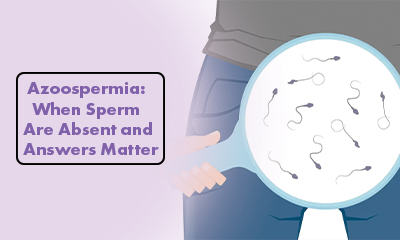
Sperm are not something you can see or sense, which is why many men remain unaware of fertility issues until they try to conceive. In some cases, semen contains no sperm at all despite normal ejaculation—a condition known as azoospermia. While the diagnosis can feel unsettling, medical progress has made effective azoospermia treatment in Delhi possible, offering real hope to men who wish to become fathers.

Male Infertility

Male infertility is more common than often believed and can affect men of all ages. It may result from low or absent sperm count, hormonal imbalance, genetic conditions, or blockages in the reproductive system. The good news is that with timely medical attention and the right treatment approach, many causes of male infertility can be managed successfully.

How Azoospermia Is Diagnosed

Diagnosing azoospermia involves a detailed evaluation rather than a single test. Doctors usually begin with repeated semen analyses to confirm the absence of sperm. Hormone tests are then performed to assess levels of testosterone, FSH, and LH, which provide valuable insight into sperm production.
Imaging studies such as scrotal ultrasound help detect structural problems, while genetic testing may be recommended in specific cases. An accurate diagnosis is essential to determine the most effective treatment plan.

Causes That Affect Sperm Presence

Azoospermia can develop due to several underlying factors. Hormonal disturbances may interfere with sperm production, while testicular damage caused by infections, injury, chemotherapy, or radiation can also play a role. Genetic abnormalities may prevent normal sperm development. Lifestyle factors such as smoking, excessive alcohol consumption, obesity, and long-term stress can further impact male fertility.
In some men, sperm production remains normal, but physical blockages stop sperm from entering the semen.

Recognising Possible Warning Signs

Most men with azoospermia do not experience obvious symptoms, which often delays diagnosis. However, some may notice low semen volume, watery ejaculation, swelling or discomfort in the scrotum, visible veins, or signs of hormonal imbalance such as reduced body hair or chest weight gain.
Emotional strain is also common when conception is delayed, making emotional support an important part of fertility care.

Azoospermia Treatment Options

Treatment for azoospermia depends on its underlying cause. When hormonal imbalance is identified, hormone therapy may help stimulate sperm production over time. This approach requires careful monitoring but can be effective in suitable cases.
If sperm are being produced but cannot reach the semen, surgical procedures may help correct blockages. When repair is not possible, sperm can be retrieved directly from the testicles or epididymis using specialised techniques.

Obstructive Azoospermia

Obstructive azoospermia occurs when sperm production is normal, but a blockage prevents sperm from appearing in the semen. Surgical sperm retrieval combined with assisted reproductive techniques often delivers excellent results. Retrieved sperm are commonly used in IVF with ICSI, where a single sperm is injected directly into the egg to improve the chances of fertilisation.

Role of Assisted Reproductive Techniques

Assisted reproductive technologies have transformed outcomes for men diagnosed with azoospermia. Even when only a small number of sperm are available, advanced laboratory techniques allow careful selection and fertilisation. These innovations have enabled many men with severe fertility challenges to achieve biological parenthood.

Lifestyle Changes That Support Treatment

Alongside medical care, healthy lifestyle choices can support fertility treatment outcomes. Maintaining a healthy weight, eating a balanced diet, avoiding tobacco and excess alcohol, and managing stress can positively influence hormonal balance and overall reproductive health.

Personalised Care Makes a Difference

Successful azoospermia treatment is not just about medical procedures—it is about personalised care. Each patient’s condition and fertility goals are unique, and treatment plans must reflect that individuality to achieve the best possible results.

Obstructive Azoospermia and Early Care

When addressed early, obstructive azoospermia offers encouraging outcomes. With timely diagnosis and expert fertility support, many couples go on to achieve successful pregnancies.

Care at KIC Delfinium, Delhi

At KIC Delfinium, Delhi, azoospermia is managed through advanced diagnostic methods, experienced fertility specialists, and patient-focused care. Every individual receives a customised treatment plan aimed at improving success while ensuring emotional comfort and clarity throughout the fertility journey.
Sometimes, sperm simply need the right guidance to find their path. With expert care, azoospermia does not end hope—it marks the beginning of a well-supported journey toward parenthood.

Frequently Asked Questions (FAQs)

1. Can azoospermia be treated successfully?

Yes, many cases can be treated or effectively managed using modern fertility treatments.

2. Is azoospermia always permanent?

No. Some forms are reversible, while others can be managed with assisted reproductive techniques.

3. How long does treatment usually take?

Treatment duration depends on the cause and may range from a few months to assisted reproduction cycles.

4. Why is early diagnosis important?

Early diagnosis improves treatment choices, success rates, and reduces emotional stress for couples.


17-12-2025-blog-image.jpg

17 December 2025 Fertility0

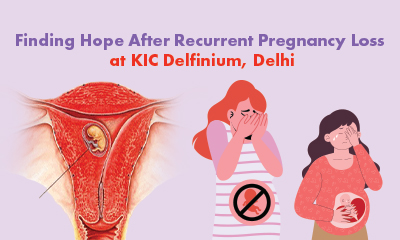
Recurrent pregnancy loss can be an emotionally exhausting and deeply distressing experience for couples trying to conceive. Repeated miscarriages often bring feelings of grief, uncertainty, and fear about the future. At KIC Delfinium, Delhi, couples receive not only advanced medical care but also compassionate support designed to restore hope and confidence. With a patient-focused approach, modern fertility technology, and personalised treatment plans, KIC Delfinium helps couples move forward toward a healthy pregnancy.

Recurrent Miscarriage Treatment

Recurrent miscarriage treatment aims to identify the specific reasons behind repeated pregnancy losses and address them with customised medical care. At KIC Delfinium, Delhi, this includes detailed diagnostic testing, hormonal support, lifestyle counselling, and advanced fertility treatments when required. By treating the root cause rather than just the symptoms, the risk of future miscarriages can be significantly reduced. With timely intervention and expert guidance, many couples are able to achieve successful pregnancy outcomes.

Understanding Recurrent Pregnancy Loss

Recurrent pregnancy loss is generally defined as two or more consecutive miscarriages confirmed through pregnancy tests or ultrasound scans. While a single miscarriage is relatively common, repeated losses affect a smaller percentage of women and often indicate an underlying medical concern that needs evaluation.
At KIC Delfinium, specialists recommend early assessment after two pregnancy losses instead of waiting longer. This proactive strategy helps detect problems sooner, minimises emotional stress, and improves the chances of a healthy pregnancy. Each consultation is handled with empathy, ensuring couples feel supported and actively involved in their care plan.

Common Causes of Recurrent Pregnancy Loss

Recurrent pregnancy loss usually results from multiple factors rather than a single issue. At KIC Delfinium, Delhi, a comprehensive diagnostic approach is used to uncover all possible causes.

Genetic and Chromosomal Factors

Chromosomal abnormalities in embryos are one of the leading causes of repeated miscarriages. These may occur randomly or be linked to parental genetic factors. Advanced genetic testing and preimplantation genetic testing help identify chromosomally normal embryos, reducing miscarriage risk.

Uterine and Structural Conditions

Conditions such as uterine septum, fibroids, polyps, or intrauterine adhesions can interfere with implantation and pregnancy development. Advanced imaging, hysteroscopy, and laparoscopy help diagnose and correct these issues using minimally invasive procedures.

Hormonal and Metabolic Disorders

Hormonal imbalances, including low progesterone, thyroid disorders, insulin resistance, and diabetes, can negatively affect early pregnancy. At KIC Delfinium, hormone levels are carefully evaluated and corrected with personalised medical treatment.

Male Factor Contribution

Male fertility issues, including poor sperm quality and DNA fragmentation, can also contribute to recurrent miscarriage. Comprehensive semen analysis ensures both partners are thoroughly assessed.

Lifestyle and Environmental Factors

Smoking, high caffeine intake, obesity, chronic stress, and exposure to environmental toxins can increase miscarriage risk. Couples receive holistic guidance to improve overall reproductive health.

Personalised Treatment Approach at KIC Delfinium, Delhi

What distinguishes KIC Delfinium is its individualised treatment philosophy. Every couple’s journey is unique, and treatment plans are tailored based on identified causes.

Advanced Diagnostic Evaluation

Investigations may include hormonal testing, genetic screening, thrombophilia evaluation, uterine imaging, and immunological assessments to create a precise treatment plan.

Medical and Surgical Management

Hormonal support such as progesterone supplementation helps sustain early pregnancy. Blood-thinning medications may be used in clotting disorders. Structural abnormalities are corrected surgically, improving implantation and live birth rates.

IVF, ICSI, and Genetic Testing

For unexplained or genetic-related recurrent losses, assisted reproductive technologies such as IVF with ICSI and genetic testing offer renewed hope. These techniques allow the selection of healthy embryos, reducing the chances of miscarriage and improving pregnancy success.

Preconception Care and Prevention

At KIC Delfinium, Delhi, prevention begins before conception. Couples are advised on folic acid supplementation, balanced nutrition, weight management, stress reduction, and avoiding tobacco or alcohol. Male partners receive guidance on improving sperm health through diet and supplements.
For couples planning pregnancy later, fertility preservation options like egg freezing are also available.

Why Choose KIC Delfinium, Delhi?

KIC Delfinium is a trusted fertility centre in Delhi, known for ethical practices, transparent care, and consistent success rates. With advanced facilities, experienced fertility specialists, and a multidisciplinary care team, the centre provides complete fertility solutions under one roof. Emotional counselling, personalised follow-ups, and continuous support ensure couples feel cared for at every step.

Frequently Asked Questions

What is recurrent pregnancy loss?
Two or more confirmed consecutive miscarriages.
When should evaluation begin?
After two pregnancy losses.
Can recurrent miscarriage be treated successfully?
Yes, proper diagnosis and personalised treatment greatly improve outcomes.
Is male testing important?
Yes, male factors play a significant role in many cases.
Does age affect miscarriage risk?
Yes, but advanced fertility treatments can help reduce age-related risks.

Moving Forward with Confidence

Recurrent pregnancy loss does not mean the end of the parenthood journey. With expert care, advanced diagnostics, and compassionate support, many couples go on to achieve healthy pregnancies. At KIC Delfinium, Delhi, the focus is on replacing fear with clarity and loss with renewed hope.


09-12-2025-blog-image.jpg

9 December 2025 Fertility0

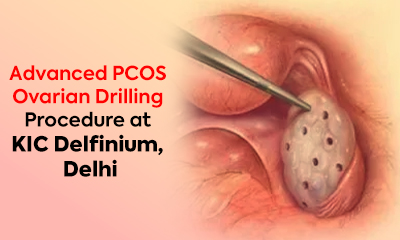
PCOS ovarian drilling is a minimally invasive fertility treatment offered at KIC Delfinium, Delhi, for women struggling with anovulation caused by Polycystic Ovary Syndrome. Many women with PCOS do not respond to ovulation-inducing medications, making it difficult to conceive naturally. This technique helps restore healthy ovulatory function by targeting hormonal disruptions at the ovarian level. At KIC Delfinium, experts focus on individualized assessments and scientifically proven methods to support natural pregnancy whenever possible. PCOS ovarian drilling remains a trusted intermediate step before considering advanced treatments like IVF, allowing women to regain confidence and control over their reproductive journey

Ovarian Puncture for PCOS

Ovarian puncture for PCOS is a valuable treatment option for patients who experience poor or no response to fertility drugs. The technique is performed under light sedation using ultrasound guidance, eliminating the need for laparoscopic incisions. By reducing small cysts and androgen-producing tissue, ovarian puncture for PCOS improves follicular development and enhances the body’s natural ability to ovulate. Specialists at KIC Delfinium carefully evaluate every patient’s hormonal profile before recommending this method to ensure it suits their fertility condition. With the right selection, ovarian puncture for PCOS can significantly increase the likelihood of achieving pregnancy without immediate reliance on IVF.

Understanding PCOS and Why Treatment Is Essential

Polycystic Ovary Syndrome is one of the most widespread endocrine disorders affecting women in reproductive age, often leading to irregular ovulation, hormonal imbalance, and difficulty conceiving naturally. PCOS disrupts the maturation of ovarian follicles, causing them to remain small and undeveloped, which prevents the monthly release of eggs.
Women with PCOS commonly face:
• Irregular or absent menstrual cycles
• Weight gain or inability to lose weight
• Acne and oily skin
• Excessive facial or body hair
• Ovarian cysts
• Mood fluctuations
• Delayed or failed ovulation
Without proper treatment, these symptoms can hinder fertility for years. That’s where PCOS ovarian drilling becomes a strategic clinical option.

How PCOS Ovarian Drilling Helps Improve Fertility

Women experiencing medication-resistant PCOS often feel overwhelmed, especially when repeated cycles of fertility drugs fail to trigger ovulation. PCOS ovarian drilling offers an effective, science-backed solution for these cases.

What Happens During the Procedure?

The technique works by:
• Minimizing excess androgen production
• Encouraging natural follicular development
• Supporting consistent ovulation
• Reducing the number of small, non-functional cysts
• Encouraging a more balanced hormonal environment
Within weeks of the procedure, many women notice stabilised menstrual cycles and improved ovulation, often for the first time in years. This increases the chances of natural conception significantly.

Why KIC Delfinium Delhi Recommends This Technique

KIC Delfinium in Delhi is known for its advanced fertility care, diagnostic accuracy, and compassionate patient-centric approach. Specialists recommend ovarian puncture for PCOS only when it offers genuine clinical benefit, particularly for women who have shown minimal response to medications like Letrozole or Clomiphene Citrate.
KIC Delfinium suggests this procedure when:
• The goal is natural pregnancy
• Medications have failed repeatedly
• The patient is young and has good ovarian reserve
• There are no other infertility factors
• Hormone imbalance is prominent
The clinic prioritizes non-invasive and cost-effective methods before moving patients toward more advanced options.

Step-by-Step Overview of the Procedure

Understanding the procedure helps reduce anxiety and ensures patients feel confident and informed.
1. During ovarian drilling, the surgeon begins by creating a few tiny cuts on the abdomen, usually close to the belly button.

2. A thin, camera-equipped laparoscope is gently inserted through one of these openings to get a clear view of the ovaries.

3. Through the other small incisions, fine surgical instruments are used to make multiple precise punctures in the ovarian surface.

4. The entire process is done under general anesthesia to ensure comfort.

5. Most patients are discharged same day, and the recovery period generally ranges from a few days to a couple of weeks.

Benefits of PCOS Ovarian Drilling

Women treated at KIC Delfinium Delhi often report a significant shift in reproductive health following the procedure.
Key advantages include:
• Natural ovulation restored
• Improved menstrual regularity
• Reduced androgen levels
• Increased chance of natural conception
• Minimal downtime and discomfort
• More affordable than IVF
• Lower risk of pelvic adhesions
This technique is ideal for women seeking a safe, effective option before stepping into assisted reproductive technologies.

Who Is the Ideal Candidate for This Treatment?

Your fertility consultant at KIC Delfinium will analyze your reports, medical history, age, and symptom profile before recommending the procedure.
It is generally suggested for:
• Women diagnosed with PCOS
• Patients with chronic anovulation
• Individuals with extremely long or unpredictable menstrual cycles
• Women who do not respond to ovulation medications
• Patients below 36 years (though older women may still benefit)
• Couples with no additional infertility causes
• Women without other hormonal disorders like thyroid or prolactin issues
A personalized evaluation ensures maximum success and safety.

Life After the Procedure: What Patients Can Expect

Recovery is quick and simple, and most women resume routine activities within a day.
Post-procedure changes can include:
• Noticeable improvement in cycle regularity
• Spontaneous ovulation
• Increased chances of natural pregnancy
• Better hormonal balance
• Reduced acne and hair growth
• Improved response to fertility medications (if needed later)
Doctors at KIC Delfinium provide continuous monitoring, lifestyle guidance, and timely follow-ups to maximize natural conception potential.

Why KIC Delfinium Delhi Stands Out

KIC Delfinium is recognized as one of Delhi’s leading fertility centers, known for its scientific approach, transparency, and patient care. Women with PCOS benefit from:
• Highly experienced fertility specialists
• Advanced diagnostic and ultrasound facilities
• Evidence-driven protocols
• Cost-effective treatment options
• Individualized care plans
• Strong clinical success rates
• Comprehensive pre- and post-procedure support
The combination of expertise and compassion allows patients to pursue motherhood confidently.

Frequently Asked Questions

1. Does PCOS ovarian drilling cure PCOS?

The procedure helps manage symptoms and restore ovulation but does not permanently cure PCOS, which is a metabolic condition.

2. What is the recovery time?

Most women recover within a few hours and resume normal activities the next day.

3. When can I try to conceive?

You can begin attempting naturally after the first normal menstrual cycle post-procedure.

4. Is ovarian puncture for PCOS painful?

No. Sedation ensures a smooth and pain-free experience.

5. How long do the results last?

Effects may last 6–12 months or longer depending on your hormonal profile.

6. Will I still need IVF?

Many women conceive naturally, but if IVF is eventually needed, improved ovulation enhances its success.

7. Are there long-term risks?

The technique is safe, with far fewer risks than laparoscopy, especially when performed by skilled specialists.


25-11-2025-blog-image-delhi.jpg

28 November 2025 Fertility0

Surgical sperm retrieval is a specialised medical procedure used to collect sperm directly from the testicles, forming an essential part of Surgical Sperm Retrieval Techniques in Delhi for men dealing with complex fertility issues. It is often used alongside treatments like Intracytoplasmic Sperm Injection (ICSI). Depending on the patient’s condition, sperm may be retrieved through a fine needle or via a small biopsy. This procedure is especially beneficial for men with extremely low sperm count, a past vasectomy, or those unable to ejaculate due to injury, illness, or nerve-related complications.

WHY CHOOSE SURGICAL SPERM RETRIEVAL?

Surgical Sperm Retrieval is a reliable option when sperm production occurs normally but cannot reach the urethra due to blockages or ejaculation difficulties. It provides a direct method to collect sperm for advanced male infertility treatments.

OBSTRUCTION IN THE VASA DEFERENTIA

The vasa deferentia are ducts that carry sperm from the testes to the urethra. When these tubes are blocked—either naturally or due to a vasectomy—sperm cannot exit the body. Modern surgical techniques allow sperm to be extracted directly from the testes, bypassing the obstruction.

ABSENCE OF THE VASA DEFERENTIA

Some men are born without vasa deferentia, meaning the natural sperm pathway never forms. In such cases, surgical retrieval is crucial to access sperm that remain inside the reproductive system.

LOW SPERM COUNT

When sperm production is significantly low, sperm may not move efficiently through the ducts. Surgical retrieval enables specialists to extract and concentrate available sperm to improve fertilisation potential.

IS SURGICAL SPERM RETRIEVAL RIGHT FOR ME?

You may be a suitable candidate if you have:
• Blocked or missing vasa deferentia
• Low sperm production
• A history of vasectomy
While certain blockages can be surgically corrected, retrieval combined with ICSI generally offers higher success rates.

STEPS INVOLVED IN SURGICAL SPERM RETRIEVAL

Sperm retrieval can be performed using any of the following techniques:

PESA (Percutaneous Epididymal Sperm Aspiration)

PESA is a quick, minimally invasive method where a fine needle is used to aspirate sperm directly from the epididymis. It is commonly recommended for men with obstructive infertility, including those with post-vasectomy blockages. The procedure is simple, safe, and performed under local anaesthesia.

TESA (Testicular Sperm Aspiration)

TESA involves inserting a needle into the testicle to collect sperm-containing tissue. It is often used for men with non-obstructive azoospermia. The extracted tissue is examined in the lab to locate viable sperm for ICSI. TESA is effective when epididymal retrieval is not an option.

MESA (Microsurgical Epididymal Sperm Aspiration)

MESA is a detailed microsurgical procedure performed under a high-precision microscope. A tiny incision is made in the epididymis to extract highly motile sperm. This technique is ideal for men with obstructive azoospermia, especially when multiple IVF or ICSI cycles may be planned.

Micro-TESE (Micro Testicular Sperm Extraction)

Micro-TESE is the most advanced retrieval method available. Using a powerful operating microscope, the surgeon identifies and extracts the healthiest sperm-producing areas within the testicles. It is especially effective for severe non-obstructive azoospermia and maximises sperm recovery while conserving testicular tissue.

RISKS ASSOCIATED WITH SURGICAL SPERM RETRIEVAL

Though minimally invasive, the procedure may involve minor risks such as:

SWELLING AND BRUISING

Mild swelling or bruising may occur but usually resolves within a few days.

INFECTION

The risk of infection is low when the procedure is performed in a sterile and controlled clinical environment.

INSUFFICIENT SPERM EXTRACTION

Occasionally, the retrieved sperm quantity may be limited. Skilled fertility specialists aim to achieve maximum success in a single procedure.

SURGICAL SPERM RETRIEVAL PROCEDURES

Even when sperm are absent in the semen but continue to be produced inside the testes, minimally invasive methods like PESA, TESE, and MESA can successfully retrieve sperm for IVF or ICSI treatments. These procedures support men with both obstructive and non-obstructive infertility.

MALE INFERTILITY TREATMENT

Male infertility may result from obstructive azoospermia, non-obstructive azoospermia, congenital abnormalities, or previous surgical procedures like vasectomy. Depending on the cause, sperm can be retrieved from the testis, epididymis, or vas deferens for use in advanced fertility treatments. Specialists in Delhi use refined retrieval techniques to help couples move closer to parenthood.

TREATMENT AVAILABLE AT KICDelfinium, Delhi

At KICDelfinium, Delhi, we offer all major surgical sperm retrieval techniques with advanced technology and expert precision. Our fertility specialists provide personalised care, minimally invasive procedures, and comprehensive support to help men overcome infertility and improve their chances of successful conception.


13-11-2025-Blog-image.jpg

13 November 2025 Fertility0

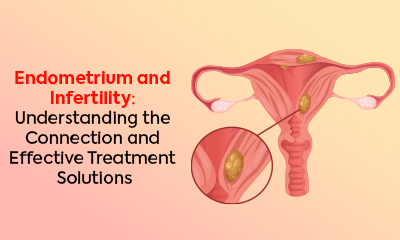
The endometrium, the soft and vascular inner lining of the uterus, plays a vital role in achieving and maintaining pregnancy. It serves as the nurturing foundation where the embryo implants and begins its early development. Any irregularity in the growth, structure, or receptivity of the endometrium can lead to infertility or recurrent pregnancy loss.
At KIC Delfinium, under the expert care of Dr. Nalini Gupta, women receive advanced diagnosis and personalized fertility treatments designed to address endometrial-related infertility. The center provides specialized thin endometrium treatment in Delhi, focusing on improving uterine blood flow, hormonal balance, and endometrial regeneration through innovative therapies such as PRP treatment and hormonal support to optimize fertility outcomes.

Endometrium and Infertility

The endometrium naturally changes throughout a woman’s menstrual cycle. Under the influence of estrogen, it thickens in preparation for embryo implantation, and progesterone helps mature it during the luteal phase.
If pregnancy occurs, the lining supports the embryo and aids in placental development. If not, it sheds during menstruation.
An ideal endometrial thickness (around 7.5–8 mm or more) is essential for successful implantation, whether during natural conception or assisted reproductive techniques such as IVF. Let’s understand more about the connection between the endometrium and infertility.

Common Endometrial Causes of Infertility

1. Thin Endometrium

A thin endometrial lining (less than 7 mm) can make it difficult for an embryo to implant or survive, leading to infertility or early miscarriage.
Common causes include:
• Asherman’s Syndrome (uterine adhesions and scarring)
• Chronic infections such as endometritis or tuberculosis
• Repeated uterine procedures like D&C or curettage
• Hormonal imbalances or age-related estrogen decline
A thin endometrium has poor blood flow and limited cellular activity, reducing the chances of implantation.
At KIC Delfinium, Dr. Nalini Gupta offers customized hormonal therapies and regenerative techniques like PRP (Platelet-Rich Plasma) therapy to stimulate endometrial growth and improve conception chances.

2. Thick or Hypertrophic Endometrium

An overly thick endometrium (more than 15 mm) can also create difficulties in conception.
Possible causes include:
• Excess estrogen levels due to hormonal imbalance
• Endometrial polyps or submucosal fibroids
These conditions can interfere with normal embryo implantation and lead to irregular bleeding.
At KIC Delfinium, accurate diagnosis through ultrasound and hysteroscopy ensures the right treatment approach for better fertility outcomes.

3. Endometrial Adhesions and Infections

Uterine infections or scar tissue (adhesions) can harm the endometrial surface, reducing its receptivity.
Diagnosis:
Hysteroscopy and endometrial biopsy help identify infections and adhesions.
Treatment:
At KIC Delfinium, hysteroscopic surgery is used to remove adhesions, followed by targeted antibiotic therapy to clear infections. This approach restores the uterine cavity and enhances the chances of successful embryo implantation.

4. Fluid Accumulation in the Endometrium

In some women, fluid buildup inside the uterus, often caused by hydrosalpinx (fluid-filled fallopian tubes), can reduce implantation rates and IVF success.
In such cases, Dr. Nalini Gupta may recommend laparoscopic procedures to block or remove the affected tubes, creating a healthier uterine environment for embryo transfer.

Advanced Treatments to Improve Endometrial Fertility

At KIC Delfinium, a wide range of evidence-based fertility treatments are offered to enhance endometrial health and improve conception chances:
1. Hysteroscopic Surgery:
Removal of fibroids, polyps, and adhesions to improve the uterine environment.
2. Intrauterine Device (IUD):
Used temporarily after surgery to prevent the recurrence of adhesions.
3. Targeted Antibiotic Therapy:
Administered to treat persistent uterine infections confirmed through biopsy.
4. Platelet-Rich Plasma (PRP) Therapy:
A cutting-edge regenerative treatment to enhance endometrial growth in women with thin linings.
5. Hormonal Therapy:
Personalized estrogen and progesterone support to build a receptive endometrium before embryo transfer.
6. Surgical Management of Hydrosalpinx:
Removal or clipping of the affected fallopian tubes to eliminate fluid accumulation.
7. Assisted Reproductive Technologies (ART):
When medical or surgical treatments alone are insufficient, IVF or ICSI is recommended to help couples achieve pregnancy.

Frequently Asked Questions (FAQs)

Q1: What is the function of the endometrium in fertility?
A: The endometrium supports embryo implantation and early growth, making its thickness and health vital for pregnancy.
Q2: How does a thin endometrium affect fertility?
A: A thin lining reduces implantation potential and may lead to infertility or recurrent pregnancy loss.
Q3: Can a thick endometrium cause infertility?
A: Yes. Excessive thickening caused by hormonal imbalance or fibroids can interfere with embryo implantation.
Q4: What causes endometrial adhesions?
A: Adhesions may form after uterine surgery, infection, or trauma, leading to reduced endometrial receptivity.
Q5: Are there effective treatments for thin endometrium?
A: Yes. Hysteroscopic surgery, PRP therapy, hormonal medication, and IVF are effective approaches to improve endometrial health and fertility.
Q6: How is fluid in the uterus treated?
A: When fluid results from hydrosalpinx, laparoscopic removal or tube clipping is performed to enhance implantation success.

Conclusion

The health and receptivity of the endometrium are essential for every woman’s fertility journey. Whether the issue is a thin lining, thickened endometrium, or uterine adhesions, timely medical care and modern treatments can make a life-changing difference.
At KIC Delfinium, under the experienced guidance of Dr. Nalini Gupta, women receive compassionate, evidence-based, and advanced fertility care to achieve their dream of motherhood.


WhatsApp-Image-2025-10-29-at-1.52.42-PM-1200x719.jpeg

29 October 2025 Fertility0

Couples undergoing fertility treatments often dream of a healthy pregnancy and a successful outcome. However, genetic abnormalities in embryos can sometimes lead to implantation failure, miscarriages, or inherited disorders. At KICDelfinium Delhi, advanced reproductive technologies like Preimplantation Genetic Testing (PGT) are helping couples overcome such challenges and improve their chances of having a healthy baby.
With a growing number of couples choosing assisted reproduction, the demand for Preimplantation Genetic Testing in Delhi has significantly increased. This cutting-edge technique allows embryologists to screen embryos for chromosomal or genetic abnormalities before transferring them into the uterus, thereby improving the IVF success rate in Delhi.
Dr. Nalini Gupta, Fertility Consultant at KICDelfinium Delhi, says, “Preimplantation Genetic Testing helps us identify healthy embryos before transfer, significantly improving IVF success rates. It’s a breakthrough for couples with recurrent IVF failures or genetic concerns, offering them a better chance at achieving a healthy pregnancy and healthy baby.”

What Is Preimplantation Genetic Testing (PGT)?

Preimplantation Genetic Testing (PGT) is a laboratory procedure performed during an IVF cycle. After fertilization, a few cells are safely removed from the developing embryos and tested for genetic or chromosomal conditions. This process helps select the healthiest embryos for transfer, increasing the chances of a successful pregnancy and reducing the risk of inherited diseases.
PGT is particularly helpful for couples with:
• A family history of genetic disorders
• Repeated IVF failures
• Recurrent miscarriages
• Advanced maternal age
• Male factor infertility
At KICDelfinium Delhi, every PGT procedure is carried out using advanced genetic screening technology and strict laboratory standards to ensure accuracy and safety.

Types of Preimplantation Genetic Testing

KICDelfinium offers three major types of PGT to suit individual patient needs:
1. PGT-A (Aneuploidy Testing): Detects abnormal numbers of chromosomes to prevent implantation failures and miscarriages.
2. PGT-M (Monogenic Testing): Screens for specific single-gene disorders like Thalassemia or Cystic Fibrosis.
3. PGT-SR (Structural Rearrangements): Identifies chromosomal translocations or rearrangements that may affect embryo development.
Each type plays a vital role in improving the IVF success rate in Delhi by ensuring that only genetically healthy embryos are used.

How PGT Enhances IVF Success

The integration of Preimplantation Genetic Testing with IVF provides multiple advantages, such as:
• Higher implantation and pregnancy rates
• Reduced risk of miscarriage
• Increased chances of a healthy baby
• Fewer IVF cycles needed for success
• Peace of mind for couples with a genetic history
At KICDelfinium Delhi, the combination of state-of-the-art IVF labs, genetic testing facilities, and experienced fertility specialists ensures a remarkable improvement in IVF outcomes. Many couples have reported a noticeable increase in their IVF success rate in Delhi after opting for PGT-based embryo selection.

Why Choose KICDelfinium Delhi for PGT?

KICDelfinium is one of the most trusted names in advanced reproductive care. Here’s what makes it a preferred choice for Preimplantation Genetic Testing in Delhi:
• Comprehensive Genetic Screening: Latest technologies for detecting even minute chromosomal abnormalities.
• Experienced Embryologists: Highly trained specialists ensure precision in embryo biopsy and testing.
• High IVF Success Rate: Personalized treatment plans that improve success rates significantly.
• Ethical and Transparent Practices: Every patient is guided through each step of the IVF and PGT journey.
• Holistic Care: From counseling to post-implantation support, the team provides end-to-end fertility care.

Frequently Asked Questions (FAQs)

1. What is the success rate of IVF with PGT in Delhi?
The IVF success rate in Delhi improves significantly with PGT. At KICDelfinium, success rates often reach up to 70–80% in suitable candidates, depending on age, embryo quality, and medical factors.
2. Is PGT safe for embryos?
Yes. PGT is performed by skilled embryologists using advanced micromanipulation techniques. It does not harm the embryo or affect its ability to implant successfully.
3. Who should consider Preimplantation Genetic Testing?
PGT is recommended for couples with a history of miscarriages, failed IVF attempts, genetic disorders, or advanced maternal age (above 35 years).
4. How long does it take to get PGT results?
Results are typically available within 7–10 days after the biopsy, allowing doctors to plan the embryo transfer accordingly.
5. Does PGT guarantee a healthy baby?
While PGT greatly reduces the risk of genetic abnormalities, it cannot guarantee a 100% healthy baby. It significantly improves the chances of a successful, full-term pregnancy.

Conclusion

Preimplantation Genetic Testing in Delhi has revolutionized fertility care, providing hope to couples facing genetic challenges or repeated IVF failures. At KICDelfinium Delhi, this advanced procedure, combined with expert care, ensures safer pregnancies and healthier babies.
If you are considering IVF and want to enhance your chances of success, book a consultation at KICDelfinium Delhi today to learn how PGT can make a difference in your parenthood journey.


22-10-2025-blog-image.jpg

22 October 2025 Fertility0

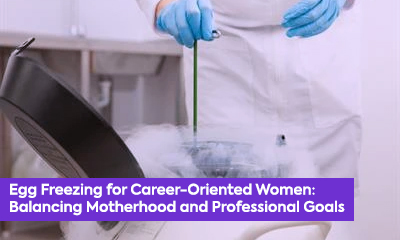
In recent years, the workforce has seen a notable increase in ambitious, career-driven women who are also thinking carefully about starting families. The decision to balance a successful career with motherhood is a significant one, and for many women, fertility preservation is now a crucial part of that consideration. Among the leading solutions, top egg freezing in Delhi—also known as oocyte cryopreservation—gives professional women greater freedom and flexibility over their reproductive choices. At KICdelfinium, advanced technology and compassionate care combine to offer a seamless egg freezing experience for modern Indian women.

Understanding Oocyte Cryopreservation

Oocyte cryopreservation is a state-of-the-art medical technique enabling women to freeze their eggs for potential future use, allowing them to preserve their fertility regardless of immediate life circumstances. The process starts with hormonal stimulation of the ovaries to encourage multiple eggs to mature. These eggs are then carefully retrieved from the body in a minor surgical procedure and rapidly frozen using advanced vitrification technology. This method safely maintains egg quality, so when a woman is ready, her eggs are viable for fertilization and pregnancy—years, or even a decade, later. In Delhi, ongoing advances and experienced clinics like KICdelfinium have made this process more accessible and successful, with improved survival rates of 90–95% for thawed eggs and increasing live birth success, especially for women under 35.

Why Career-Oriented Women Choose Egg Freezing

Societal expectations are evolving, and more women are seeking higher education, career advancement, travel, and entrepreneurship before starting a family. However, a woman’s reproductive window is finite, and age remains a key factor in natural fertility. The pressure of a “ticking biological clock” can be intense, particularly for those pursuing demanding professions. Egg freezing removes much of this stress by allowing women to preserve their fertility while focusing on their current ambitions—whether climbing the corporate ladder, launching a startup, or waiting for the right time or partner. It empowers women to make life decisions on their own terms, knowing that the potential for biological motherhood is safely stored for when the time feels right.

Key Benefits of Egg Freezing for Working Women

Egg freezing offers numerous advantages tailored for working professionals:
• Extends the fertility window, offering the chance to have genetically related children later in life, even after the natural decline of fertility.
• Grants freedom to plan major life events—marriage, partnerships, financial security—without worrying about fertility running out.
• Provides peace of mind, reducing anxiety related to fertility decisions during high-pressure career years.
• Increasingly common among women in their 20s to mid-30s in Delhi, egg freezing is becoming a trend among those who wish to maintain both career and future family options.

The KICdelfinium Advantage in Oocyte Cryopreservation

Choosing the right clinic is crucial for the best outcome in egg freezing. KICdelfinium leads with advanced laboratories, skilled fertility specialists, and an empathetic team devoted to women’s well-being. Every woman receives comprehensive fertility assessments, step-by-step guidance, and individualized treatment plans. The process is transparent—patients are fully informed about costs, protocols, and what to expect. Support extends from counseling at the initial consultation to medical attention post-retrieval, as well as ongoing storage and future thawing services. With a high rate of successful freezing and thawing, KICdelfinium is committed to turning fertility preservation into an empowering journey for each woman.

What to Consider Before Opting for Egg Freezing

If you are thinking about egg freezing in Delhi, consider:
• Age and egg quality: The best outcomes are for women who freeze eggs in their 20s or early 30s, but it is also an option for those with medical reasons, such as cancer therapy candidates.
• Costs: Clinics in Delhi offer competitive pricing, with overall package costs covering screening, medications, retrieval, and storage. Discuss all fees and payment options before starting.
• Health eligibility: Fertility evaluation is necessary to assess ovarian reserve and suitability for the procedure.
• Medical and lifestyle factors: Address any health conditions, and choose a clinic with robust support and guidance.
• Timeline: The process takes a few weeks, from first appointment to egg retrieval.
• Professional guidance: Make sure to consult a fertility expert for a tailored plan and realistic expectations.

Conclusion & Call to Action

Egg freezing grants career-oriented women in Delhi unprecedented flexibility, helping them confidently balance professional goals and personal dreams of motherhood. With the expertise and support of KICdelfinium, the complex journey of oocyte cryopreservation becomes clear, compassionate, and empowering. If you are exploring this option, reach out to KICdelfinium for personalized care that can help secure your future fertility and offer new possibilities on your terms.
By making informed decisions now, you can design the future that best matches your ambitions—both as a professional and as a potential parent.


09-10-2025-blog-image-delhi.jpg

14 October 2025 Fertility0

What is Ovarian Rejuvenation?

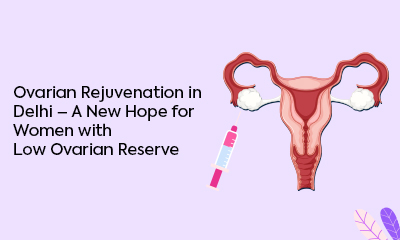
Ovarian Rejuvenation is an innovative fertility treatment offering renewed possibilities for women who struggle with infertility caused by a low egg reserve, early menopause, or a poor response during IVF.

At KIC Delfinium, Delhi, this cutting-edge procedure is designed to naturally stimulate the ovaries to produce new eggs, even in women previously told that conception with their own eggs was unlikely.

The treatment involves using Platelet-Rich Plasma (PRP) — a component derived from the patient’s own blood that is rich in growth factors. This PRP is carefully injected into the ovaries or uterus using advanced techniques similar to IVF or IUI. These growth factors may help repair ovarian tissue, improve egg quality, and enhance the uterine lining to support embryo implantation.

What is Ovarian Rejuvenation Used For?

For many years, it was believed that women are born with a fixed number of eggs that decline over time. However, new studies suggest that the ovaries may have regenerative potential under the right biological conditions.

Ovarian Rejuvenation therapy uses PRP to awaken dormant ovarian cells, potentially resulting in:

  • Improved egg quality and higher egg count in future IVF or ICSI cycles
  • Better embryo growth and implantation rates
  • Enhanced endometrial thickness for successful conception
  • Increased pregnancy chances in women with poor ovarian function

For those who have been advised to use donor eggs, this procedure may offer a chance to conceive with their own eggs.

What Do We Know About Ovarian Rejuvenation?

At KICDelfinium, Delhi, many women with low AMH levels or those who had stopped menstruating have shown promising results after undergoing Ovarian Rejuvenation. Some of the improvements include:

  • Return of menstrual cycles in women who had reached menopause
  • Rise in AMH levels and reduction in FSH levels, indicating improved ovarian activity
  • Better endometrial growth for embryo implantation
  • Higher pregnancy rates in subsequent IVF attempts

Although individual results vary, Ovarian Rejuvenation has given many women a renewed chance at achieving pregnancy using their own eggs.

Is Ovarian Rejuvenation Right for You?

If you have low ovarian reserve, early menopause, or have faced repeated IVF failures, you may be a suitable candidate for Ovarian Rejuvenation in Delhi.

At KICDelfinium, our fertility specialists will conduct detailed hormonal assessments and ultrasounds to determine whether this treatment can help restore your fertility potential.

Why Choose KICDelfinium for Ovarian Rejuvenation in Delhi?

  • Expert fertility specialists experienced in advanced reproductive technologies
  • State-of-the-art laboratory and ultrasound-guided precision procedures
  • Personalized treatment plans tailored to your fertility goals
  • Comprehensive care from diagnosis to conception and beyond

Reignite Your Hope for Parenthood

Ovarian Rejuvenation represents a breakthrough in fertility care — giving women with low ovarian function a chance to reclaim their hope of motherhood. At KIC Delfinium, Delhi, our team is proud to offer this advanced treatment, helping women experience the joy of conceiving naturally or through IVF with their own eggs.

FAQs About Ovarian Rejuvenation in Delhi

  1. Is Ovarian Rejuvenation a safe procedure?
    Yes. The procedure is considered safe as it uses your own blood (PRP), which minimizes the risk of allergic reactions or infections. At KIC Delfinium, Delhi, it is performed under expert medical supervision using sterile and advanced techniques.
  2. Who can benefit from Ovarian Rejuvenation?
    Women with low AMH levels, poor ovarian response, early menopause, or previous IVF failures are ideal candidates. It’s also beneficial for women who want to conceive with their own eggs instead of using donor eggs.
  3. How long does the procedure take?
    The entire procedure typically takes 30–45 minutes and is performed under mild sedation. Most patients can return home the same day and resume normal activities within 24 hours.
  4. When can I expect to see results?
    Results vary for each individual. However, many women notice hormonal improvements such as increased AMH levels or the return of menstrual cycles within 1 to 3 months. Regular monitoring through tests and scans helps track progress.
  5. Does Ovarian Rejuvenation guarantee pregnancy?
    While the treatment can improve ovarian function and egg quality, it does not guarantee pregnancy. However, it can significantly increase the chances of success in future IVF or natural conception attempts.

24-09-2025-blog-image.jpg

25 September 2025 Fertility0

Planning for a baby is a joyful journey for most couples, but not everyone conceives easily. Some face unexpected hurdles that can affect their emotional and physical well-being. If you are among those struggling to get pregnant, it’s important to know you are not alone—many couples share the same challenges. The good news is that with access to the top fertility treatment in Delhi and guidance from the top fertility specialist in Delhi, you can find the right solutions to improve your chances of parenthood.

When to Consider a Fertility Expert

If you are uncertain about the right time to meet a specialist, here are some common situations where seeking professional advice becomes important:

1. Difficulty Conceiving After Trying for a Year

For many couples, pregnancy happens naturally within the first few months of trying. However, if you’ve been having regular, for over a year without success—or for six months if the couple is above 35—it may be a sign that something needs medical attention. Fertility challenges can stem from several factors such as ovulation issues, blocked fallopian tubes, sperm abnormalities, or lifestyle-related concerns. Consulting a fertility expert at this stage allows you to undergo necessary tests, pinpoint the cause, and start a treatment plan that can bring you closer to parenthood.

2. Irregular or Missed Periods

Your menstrual cycle is a key indicator of reproductive health. If your periods are highly irregular, too frequent, too far apart, or missing altogether, it often points to hormonal imbalances that affect ovulation. Without regular ovulation, the chances of conception reduce significantly. Conditions like PCOS (Polycystic Ovary Syndrome), thyroid imbalances, or excessive stress can all disturb menstrual patterns. A fertility specialist can help identify the root cause, regulate your cycle, and create a treatment approach that restores your fertility potential.

3. Multiple Miscarriages

Suffering one miscarriage is already painful, but experiencing multiple miscarriages can be both physically exhausting and emotionally heartbreaking. Repeated pregnancy losses may be linked to genetic issues, hormonal imbalances, uterine abnormalities, or blood clotting disorders. Meeting with a fertility specialist ensures you undergo detailed investigations to understand the reason behind the miscarriages. Once identified, treatment options—such as medications, surgical procedures, or assisted reproductive techniques—can be tailored to increase the chances of carrying a pregnancy to term successfully.

4. Health Conditions Affecting Fertility

Underlying medical conditions often play a hidden role in fertility struggles. Disorders like PCOS, endometriosis, diabetes, and thyroid dysfunction can interfere with ovulation, egg quality, or the ability to sustain a pregnancy. Left untreated, these conditions can significantly delay conception. However, with proper medical support and fertility-focused treatments, many of these obstacles can be managed effectively. A fertility specialist will not only treat the condition but also guide you on lifestyle changes and advanced fertility procedures that can enhance your chances of conceiving.

5. Male Infertility Concerns

Infertility is not only a female issue—male factors contribute to nearly half of all infertility cases. Problems such as low sperm count, reduced motility, poor sperm shape, hormonal imbalances, or even lifestyle habits like smoking and excessive alcohol use can all affect a man’s ability to father a child. Early diagnosis through semen analysis and other medical evaluations is the first step toward treatment. Options may include lifestyle modifications, medications, or advanced techniques like IUI, IVF, or ICSI, depending on the severity of the condition. Consulting a fertility expert ensures both partners are evaluated, giving couples a clearer path toward parenthood.

Conclusion

The journey to parenthood can feel overwhelming when faced with fertility struggles, but the right guidance makes all the difference. At KIC Delfinium, couples receive advanced solutions tailored to their specific needs. With compassionate support and the expertise of the top fertility specialist in Delhi, your dream of starting a family can become a reality.

Frequently Asked Questions (FAQs)

1. How long should we try before consulting a fertility specialist?

If you’re under 35, try for a year before seeking help. If you’re over 35, visit a fertility expert after six months of trying.

2. Can irregular periods cause infertility?

Yes. Irregular cycles often mean ovulation problems, which can make conception difficult. A fertility doctor can help correct these issues.

3. Is pregnancy possible after repeated miscarriages?

Yes, many women with a history of miscarriage conceive successfully with the right diagnosis and treatment.

4. Which health problems affect fertility the most?

PCOS, thyroid issues, diabetes, and endometriosis are common conditions that can interfere with pregnancy. Managing them improves fertility outcomes.

5. What treatments are available for male infertility?

Male infertility can be treated through lifestyle changes, medications, or advanced fertility treatments like ICSI and IVF.


19-09-2025-blog-image-02.jpg

19 September 2025 IVF0

When planning to start a family, many couples worry about age—especially if they are considering IVF treatment in Delhi. The common question is: Does age really impact IVF success? The short answer is yes, but let’s explore why.

Why Age Matters in IVF

For women, age plays a crucial role in fertility. Egg count and quality naturally decline over time. By the early 30s, and more so after 35, the chances of conceiving naturally or through IVF reduce. This is because the eggs available may not be as healthy, which affects fertilization and embryo growth.

For men, age has a slower but noticeable effect. Sperm quality may decrease with age, which can influence embryo development and pregnancy chances.

IVF Success Rates by Age

  • Under 35 years – Highest success rates with IVF.
  • 35–37 years – Still good chances, though slightly reduced.
  • 38–40 years – Lower success; multiple IVF cycles may be required.
  • Above 40 years – Success rates drop further. Doctors may suggest donor eggs for better outcomes.

However, advanced fertility treatments such as ICSI, embryo freezing, and genetic screening give hope even for couples in their 40s. Many still achieve parenthood with the right medical support.

When Should You Consider IVF?

If you’ve been trying to conceive for over a year without success—or six months if the woman is over 35—it’s wise to seek professional help. Early consultation with a fertility expert increases your chances of success, regardless of age.

Beyond Age: Emotional and Lifestyle Factors

Fertility is not just about age. Stress, poor sleep, smoking, and unhealthy diet can also affect IVF results. Couples who maintain a balanced lifestyle, eat nutritious meals, and manage stress are often better prepared for the IVF journey.

Choosing the Right IVF Support

The “best age” for IVF is generally when fertility is naturally higher, but every journey is different. Some couples succeed in their late 20s, while others welcome a child in their 40s. The key is timely action and the right medical care.

If you are searching for reliable guidance, KIC Delfinium offers advanced IVF treatment in Delhi, with expert doctors, personalized counseling, and modern technology to maximize your chances of success.

Final Thought: Age does influence IVF outcomes, but with timely medical advice, advanced treatment, and emotional strength, parenthood is possible at many stages of life. It’s not just about age—it’s about awareness, action, and choosing the right support.

FAQs on IVF Treatment in Delhi

  1. What is the best age for IVF treatment?
    The best age for IVF is generally below 35 years, as egg quality and fertility are naturally higher. However, with advanced techniques, many women in their late 30s and 40s also achieve successful pregnancies.
  2. Can women above 40 undergo IVF treatment in Delhi?
    Yes. Women above 40 can opt for IVF, though success rates are lower. In some cases, doctors may recommend donor eggs or advanced procedures to improve outcomes.
  3. How does male age affect IVF success?
    While men produce sperm throughout life, sperm quality can decline with age, affecting embryo development. Lifestyle changes and medical support can help improve results.
  4. How many IVF cycles are usually required?
    The number of IVF cycles varies. Younger women may conceive within the first or second cycle, while older women might need multiple attempts. Your fertility expert will guide you based on your condition.
  5. Why should I choose KIC Delfinium for IVF treatment in Delhi?
    KIC Delfinium provides advanced fertility treatments, expert doctors, personalized counseling, and state-of-the-art technology, ensuring the best possible support for couples on their parenthood journey.

05-09-2025-blog-image.jpg

8 September 2025 Fertility0

Timing matters when it comes to parenthood. Fertility and age are closely connected—especially for women. As age increases, the number and quality of eggs naturally decline, which also affects embryo health after fertilization.
Women over 35 often consider treatments like IVF and other female infertility treatment options to overcome these challenges and achieve pregnancy.

Female Infertility Clinic

At KIC Delfinium, we are committed to helping women overcome fertility challenges with compassion and advanced care. Our clinic provides a wide range of treatments including IVF, IUI, fertility preservation, and personalized plans designed to support every woman on her journey to motherhood.
What is Advanced Maternal Age?
Advanced maternal age generally refers to women who are 35 years or older at the time of conception. While a woman’s reproductive window starts at puberty and continues until menopause, fertility does not remain constant.
After 35, ovarian reserve and egg quality decline, making natural conception more difficult and increasing risks of miscarriage and pregnancy complications.

Why Does Fertility Decline with Age?

Fertility naturally decreases as women grow older due to a mix of biological and health-related reasons, such as:
• Reproductive issues – Conditions like fibroids, endometrial polyps, or damage to the fallopian tubes can interfere with conception.
• Egg quality reduction – With age, eggs are more prone to abnormalities, lowering the chances of healthy embryo development.
• Limited egg reserve – Women are born with a fixed number of eggs, and both their quantity and quality decline over time.
• Lifestyle and partner factors – Decreased sexual desire and age-related decline in sperm quality may further reduce the chances of pregnancy.

Risks of Pregnancy After 35

Women planning pregnancy after 35 should consult a fertility expert for a thorough health check. Common risks include:
• Difficulty conceiving naturally
• Higher risk of gestational diabetes
• Premature delivery or low birth weight
• Greater need for C-section delivery
• Chromosomal abnormalities (e.g., Down syndrome)
• Higher risk of miscarriage or early pregnancy loss

How to Improve Fertility at Advanced Age

While age-related changes cannot be avoided, women can adopt healthy lifestyle practices to improve fertility:
• Maintain a healthy weight with balanced diet & exercise
• Follow a nutrient-rich diet with folic acid, iron, calcium, and vitamin D
• Start prenatal vitamins after consulting a doctor
• Manage conditions like thyroid or diabetes early
• Avoid smoking, alcohol, and unhealthy habits
• Schedule a preconception health check-up

Female Infertility Treatment Options After 35

Thanks to medical advancements, women over 35 still have several paths to parenthood:
• Natural conception – Possible but success rates decrease with age. Seek help if pregnancy doesn’t occur within 6 months.
• Assisted Reproductive Technology (ART) – IVF and related treatments improve success rates by fertilizing eggs in the lab before embryo transfer.
• Donor eggs – For women with very low ovarian reserve or poor egg quality, IVF with donor eggs offers a reliable solution.
At KIC Delfinium, each woman is offered a personalized treatment plan designed to match her individual fertility needs and health goals.

FAQs on Female Infertility Treatment

1. Does advanced maternal age affect fertility?

Yes. As women get older, both the number and quality of eggs decline, which makes conception more challenging.

2. When is a woman most fertile?

Fertility is usually highest in the early 20s, begins to decline after 30, and drops more significantly after 35.

3. Is pregnancy possible at 38?

Yes, but chances are reduced. Treatments like IVF can help improve outcomes.

4. Can a 50-year-old woman get pregnant?

It is rare naturally, but IVF and donor egg treatments can make pregnancy possible.
At KIC Delfinium, we combine expert care, advanced technology, and personalized treatment to support women at every stage of their fertility journey. Whether planning motherhood later in life or facing conception challenges, our team is here to guide you with trust and compassion.


20-08-2025-blog-400-240.jpg

19 August 2025 AMH0

The Anti-Müllerian Hormone (AMH) test serves as a crucial diagnostic tool that enables reproductive specialists to evaluate a woman’s remaining egg supply. At KIC Delfinium in Delhi, we utilize this essential assessment to help women understand their fertility status and develop appropriate treatment strategies for their reproductive goals.

Low AMH Treatment in Delhi

KIC Delfinium stands as Delhi’s premier fertility center, offering cutting-edge reproductive medicine with a team of experienced specialists. Our comprehensive approach combines advanced diagnostic capabilities with personalized care, ensuring that every patient receives optimal low AMH treatment in Delhi and other fertility challenges.

Understanding Anti-Müllerian Hormone (AMH)

AMH represents a hormone secreted by granulosa cells within small ovarian follicles during their early developmental phases. These developing follicles, typically measuring under 4mm, produce AMH until they reach approximately 8mm in diameter, at which point production ceases.

The unique characteristic of AMH lies in its consistency throughout a woman’s menstrual cycle, making it an exceptionally reliable biomarker for ovarian reserve assessment. This stability allows for convenient testing at any time of the month.

The Role of AMH in Fertility Evaluation

AMH serves as an indicator of the developing follicle population, which correlates with the reserve of dormant eggs (primordial follicles). Several key points define its importance:

  • Natural aging processes lead to declining follicle reserves, resulting in decreased AMH concentrations
  • Conditions such as Polycystic Ovary Syndrome (PCOS) typically present with elevated AMH readings
  • Women approaching menopause or experiencing diminished ovarian reserve generally exhibit reduced AMH levels
  • While AMH indicates egg quantity, it doesn’t necessarily reflect egg quality

AMH Testing and IVF Treatment Outcomes

Clinical research demonstrates important correlations between AMH levels and IVF success:

Higher AMH Levels:

  • Enhanced response to fertility medications
  • Increased egg retrieval numbers during IVF cycles
  • Greater likelihood of obtaining viable embryos for transfer or cryopreservation

Lower AMH Levels:

  • May indicate reduced ovarian response but don’t preclude IVF success
  • Younger women (under 35) can still achieve positive outcomes despite low AMH

At KIC Delfinium, our specialists integrate AMH results with comprehensive ultrasound evaluations and hormonal assessments to create individualized treatment protocols.

AMH Level Classifications

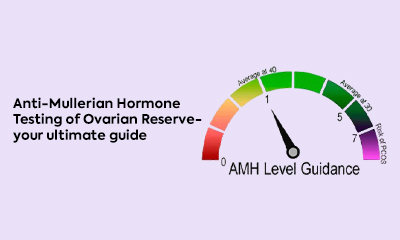
While no universal standards exist, these reference ranges apply to women under 35:

AMH Range

Clinical Interpretation

Above 4.0 ng/ml Elevated (potentially PCOS-related)
1.5 – 4.0 ng/ml Optimal range
1.0 – 1.5 ng/ml Lower normal
0.5 – 1.0 ng/ml Reduced
Below 0.5 ng/ml Significantly low

It’s crucial to understand that fertility exists on a spectrum, and small numerical differences (such as between 0.9 and 1.1 ng/ml) may not represent clinically significant variations.

Comprehensive Ovarian Reserve Evaluation

Antral Follicle Count (AFC): Ultrasound-based counting of visible small follicles in both ovaries

Early Cycle Hormone Testing: Day 3 FSH and estradiol measurements to assess hormonal balance

Ovarian Stimulation Tests: Specialized protocols to evaluate ovarian responsiveness

These complementary assessments provide a comprehensive understanding of reproductive potential when used together.

Advanced Treatment Approaches for Low AMH

Low AMH levels present challenges but don’t eliminate pregnancy possibilities. KIC Delfinium offers sophisticated treatment options including:

Customized Stimulation Protocols: Modified IVF approaches designed for women with reduced ovarian response, including specialized medication regimens

Enhanced Embryo Techniques: Advanced laboratory procedures such as assisted hatching to improve implantation rates

Fertility Preservation: Egg freezing options for women seeking to preserve reproductive potential

Donor Egg Programs: Comprehensive donor egg IVF services for cases with severely compromised ovarian reserve

Our reproductive specialists develop individualized treatment plans considering each patient’s age, overall health, and family planning objectives.

Common Questions About AMH Testing and Treatment

Q: Does low AMH definitively indicate infertility? A: No. While low AMH suggests fewer available eggs, conception remains possible through various treatment approaches.

Q: Is it possible to naturally increase AMH levels? A: AMH levels primarily reflect existing ovarian reserve and typically don’t increase significantly. However, maintaining optimal health through proper nutrition, exercise, and stress management can help maximize treatment success even with low AMH.

Q: When should I consider AMH testing in Delhi? A: We recommend AMH testing for women over 30, those experiencing conception difficulties, or anyone considering fertility preservation. At KIC Delfinium, testing can be performed any day of your cycle.

Q: What treatment options work best for low AMH in Delhi? A: Treatment selection depends on individual factors including age, overall health, and reproductive goals. Our specialists may recommend modified IVF protocols, fertility preservation, advanced embryo techniques, or donor egg programs based on specific circumstances.

Q: What does AMH testing cost in Delhi? A: Testing costs vary among facilities. At KIC Delfinium, we provide accurate AMH testing as part of comprehensive fertility evaluations at competitive rates, ensuring accessibility to quality care.


For personalized consultation and advanced fertility care in Delhi, contact KIC Delfinium to schedule your AMH test and fertility evaluation with our experienced reproductive specialists.


31-07-2025-blog-image-delhi.jpg

1 August 2025 IVF0

If you are looking for Fertility treatment in Delhi you have landed on a right page. You must have heard of the treatments like IVF and ICSI. In this blog we will look into the key differences.These are both highly effective treatments that can assist couples in their journey to parenthood. Understanding the differences between the two is essential for selecting the most appropriate treatment for your needs.

Fertility Clinic in Delhi

At KIC Delfinium, top Fertility Clinic in Delhi, we are committed to providing clear, thorough information to help you make well-informed decisions. Let’s explore what IVF and ICSI are, how they differ, and which one might be right for you.

 What Is IVF and ICSI?

Both In Vitro Fertilization (IVF) and Intracytoplasmic Sperm Injection (ICSI) are techniques that involve fertilizing an egg outside the body in a lab. The goal is to create healthy embryos, which are then transferred into the uterus for pregnancy.

The key difference lies in the process of fertilization.

 IVF: A Natural Approach to Fertilization

In an IVF procedure, the eggs are retrieved from the ovaries and placed in a laboratory dish with sperm. Fertilization occurs naturally, with one sperm entering and fertilizing the egg. This method allows the sperm and egg to meet without any intervention, creating a more natural fertilization process.

ICSI: A Targeted Fertilization Technique

ICSI is a more specialized approach, where a single sperm is directly injected into the egg using a very fine needle. This is particularly useful when there are sperm-related issues, such as low count, poor motility, or abnormal morphology, which may prevent natural fertilization.

 Key Differences Between IVF and ICSI

Here’s a quick comparison:
Feature 
IVF
ICSI
Fertilization Method Natural sperm-egg interaction Single sperm injected into egg
Best For Mild infertility, general fertility issues Severe male infertility or past IVF failures
Sperm Quality Healthy sperm required Can be used with low sperm count or motility issues
When Should You Choose IVF?

IVF is typically recommended when:

* Fallopian tubes are blocked or damaged

* Ovulation issues such as PCOS

* Conditions like endometriosis or pelvic scarring

* Mild male infertility

* Genetic screening is needed (PGT)

* Sperm is of normal quality, and fertilization issues lie elsewhere

IVF can be effective when the primary issue does not involve sperm quality.

When Is ICSI the Best Option?

ICSI is suggested in situations where sperm quality is a concern. You may be a candidate for ICSI if:

* Sperm count is extremely low

* Sperm motility is poor

* Sperm shape is abnormal

* DNA fragmentation in sperm is high

* Surgical sperm retrieval is necessary

* Previous IVF cycles failed due to fertilization issues

By selecting and injecting a single sperm, ICSI improves the chances of fertilization.

What Is IMSI?

IMSI (Intracytoplasmic Morphologically Selected Sperm Injection) is an advanced version of ICSI that uses a microscope with up to 6000x magnification to carefully select the sperm with the best morphology and least DNA damage. IMSI is considered when:


* Embryo quality has been poor in previous cycles

* Fertilization attempts have failed repeatedly

* There is severe male infertility

How to Choose Between IVF, ICSI, or IMSI?

Your fertility expert will consider your unique situation, including test results and any past fertility experiences, to recommend the best treatment. Here’s a quick guide:

Choose IVF if :

* You have ovulation or tubal issues, or mild male infertility

* Your sperm quality is good enough for natural fertilization

* You are younger with a good ovarian reserve

Opt for ICSI if :

* There’s severe male infertility

* Past IVF cycles have failed due to fertilization problems

* Sperm needs to be surgically retrieved

* High sperm DNA fragmentation is a concern

Consider IMSI if :

* Previous cycles produced poor embryos or failed

* Sperm quality is a significant concern

* Male infertility is severe

Speak to a Fertility Specialist

At KIC Delfinium, we understand that the fertility journey can be overwhelming. Whether it’s IVF, ICSI, or IMSI, we’ll help you make an informed decision based on your specific needs.

You Are Not Alone

Making decisions about fertility treatments can be challenging, but remember, many couples have successfully conceived through IVF, ICSI, and IMSI. With ongoing advancements in reproductive technology, the dream of starting a family is more achievable than ever.

At KIC Delfinium, we provide compassionate, individualized care and the latest in fertility treatments to help you achieve your family goals.


WhatsApp-Image-2025-07-14-at-10.30.12-AM-1200x598.jpeg

14 July 2025 Myomectomy

Laparoscopic vs. Open Myomectomy: Choosing the Best Option for Fibroid Treatment

Best Fibroid removal surgery Hospital in Delhi

Uterine fibroids impact many women, often leading to symptoms such as heavy periods, pelvic discomfort, or abdominal swelling. For those seeking symptom relief while preserving their fertility, Myomectomy surgery in Delhi is a common surgical solution. This procedure removes fibroids without removing the uterus. Myomectomy can be done by using 2 different techniques. One is laparoscopic and the other is open surgery. Understanding the differences can help you make an informed decision about which approach suits your needs.

What Is a Myomectomy?

A myomectomy is a surgery designed to remove uterine fibroids while preserving the uterus, making it an ideal choice for women who wish to maintain their fertility. Unlike a hysterectomy, which removes the entire uterus, myomectomy at Best Fibroid removal surgery Hospital in Delhi targets only the fibroids, alleviating symptoms while keeping future pregnancy options open.

Laparoscopic Myomectomy: A Minimally Invasive Approach    

Laparoscopic myomectomy uses advanced technology to remove fibroids through small incisions, typically less than an inch long. A surgeon inserts a laparoscope—a slim, camera-equipped tool—to visualize and excise the fibroids with precision. This method offers several advantages:

Minimal Scarring: Tiny incisions lead to less visible scars and better aesthetic outcomes.

Reduced Blood Loss: The procedure typically involves less bleeding, lowering the need for transfusions.

Quicker Healing: Most patients return to their routines within 2–4 weeks.

Lower Complication Rates: Smaller incisions decrease the likelihood of infections or other issues.

This technique is most effective for women with smaller fibroids or those located in areas of the uterus that are easier to access surgically.

Open Myomectomy: A Traditional Approach

Open myomectomy, also called abdominal myomectomy, involves a larger  incision, typically 5–7 inches across the lower abdomen, to directly access and remove fibroids. This method is often chosen for larger, more complex, or numerous fibroids. Key features include:

Direct Access: A larger incision allows surgeons to address challenging fibroids effectively.

Increased Blood Loss: The procedure may involve more bleeding, occasionally requiring transfusions.

Extended Recovery: Healing typically takes 6–8 weeks due to the larger incision.

Greater Post-Surgical Discomfort: Patients may need stronger pain relief during recovery.

This approach is generally recommended when fibroids are too large or deeply embedded for a laparoscopic procedure.

Comparing Laparoscopic and Open Myomectomy

| Factor              | Laparoscopic Myomectomy | Open Myomectomy         |

| Incision Size       | Small (0.5–1 inch)          | Large (5–7 inches)          |

| Blood Loss          | Low                         | Higher                      |

| Recovery Time       | 2–4 weeks                   | 6–8 weeks                   |

| Infection Risk      | Lower                       | Higher                      |

| Best For            | Smaller, accessible fibroids | Large or complex fibroids   |

Safety and Potential Complications

Laparoscopic myomectomy is generally considered safer due to its minimally invasive nature, which reduces risks like infections or scar tissue formation (adhesions). However, open myomectomy may be necessary for more complicated cases, as it provides better access to larger or deeply rooted fibroids, potentially improving surgical outcomes in those scenarios.

Recovery Expectations

Patients undergoing laparoscopic myomectomy typically experience a faster recovery, returning to daily activities within 2–4 weeks. They often report less pain and require fewer pain medications. Open myomectomy, due to the larger incision, involves a longer recovery period of 6–8 weeks, with more noticeable discomfort during healing.

How to Choose the Right Procedure

Selecting between laparoscopic and open myomectomy depends on several factors:

Fibroid Characteristics: Smaller or fewer fibroids are better suited for laparoscopic surgery, while larger or more numerous fibroids may necessitate an open approach.

Health Profile: Conditions like obesity or previous abdominal surgeries may influence which method is safer or more effective.

Fertility Considerations: Both procedures preserve the uterus, but the laparoscopic approach may result in fewer adhesions, which could benefit future pregnancies.

Consulting with a gynecologist is essential to determine the best option. Diagnostic tools like ultrasounds or MRIs can provide detailed insights into the size, number, and location of fibroids, guiding the decision-making process.

Take the Next Step

If you’re considering a myomectomy, a specialized medical team at KIC delfinium can help you explore both laparoscopic and open options to find the best fit for your health and goals. Schedule a consultation with us to discuss your symptoms, review diagnostic results, and create a personalized treatment plan.


WhatsApp-Image-2025-05-26-at-2.18.03-PM.jpeg

26 May 2025 Fertility0

Best Female Fertility clinic in Delhi

Ovarian Cysts and Female Fertility: Best female Infertility Treatment in Delhi

Infertility is a deeply personal challenge for many women in Delhi, and ovarian cysts are among the common reasons behind reproductive difficulties. While some cysts are harmless, others can interfere with ovulation and reduce fertility. At Kiran Infertility Center Delfinium, Delhi, we specialize in offering Best female Infertility Treatment in Delhi to help women overcome such obstacles with confidence and compassion.

Overwhelmed by Online Information? Get Expert Guidance Here

With so much health information online, it can be hard to know which is correct. That’s why we’re here—to offer reliable, doctor-reviewed insights into conditions like ovarian cysts and how they impact fertility.

Best Female Fertility clinic in Delhi

If you’re searching for a reliable best Female Fertility cinic in Delhi that addresses conditions like PCOS, endometriosis, and ovarian cysts, KIC Delfinium is your destination. Our comprehensive approach, modern technology, and experienced specialists ensure you receive the best possible care on your journey to motherhood.

Understanding Ovarian Cysts

Ovarian cysts are pockets filled with fluid that form on or inside the ovaries, often during ovulation. Many are harmless and resolve without treatment, but some types—such as those linked to PCOS or endometriosis—may interfere with your ability to conceive.

How Ovarian Cysts May Affect Fertility

Here’s how certain cysts can impact your reproductive health:

  1. Hormonal Imbalance
    Some cysts can disrupt hormone production, affecting regular ovulation.
  2. Fallopian Tube Blockage
    Large cysts may exert pressure on the fallopian tubes, making it difficult for the egg to travel and meet the sperm.
  3. Endometriotic Cysts
    These develop due to endometriosis and may lead to inflammation, pain, and damage to ovarian tissue, ultimately affecting egg quality.
  4. Ovarian Torsion
    When a cyst becomes too large, it can cause the ovary to twist, which may cut off blood flow and result in long-term damage.
  5. Poor Egg Development
    Recurring cysts can create an unhealthy ovarian environment, lowering the chances of producing good-quality eggs.
  6. Irregular Periods
    Hormonal changes due to cysts can lead to irregular menstrual cycles, making it harder to predict ovulation.

Advanced Fertility Solutions at KIC Delfinium, Delhi

At Kiran Infertility Center Delfinium, we begin with a thorough diagnosis to understand the root cause of your fertility concerns. Based on your condition, we offer a range of evidence-based treatments, including:

  • Pelvic scans and hormone testing
  • Ovulation tracking and fertility counseling
  • Laparoscopic surgery for cyst removal
  • Treatment for PCOS and endometriosis
  •  IVF and ICSI or other ART procedures

Cutting-Edge Treatments for Cyst-Related Infertility

  • Hormonal medications to regulate cyst development
  • Minimally invasive surgeries for effective cyst removal
  • Ovulation induction therapies
  • IVF and ICSI for enhanced fertility outcomes

Frequently Asked Questions

Will removing a cyst improve fertility?
In many cases, yes. Once a problematic cyst is removed, ovulation and fertility may improve.

What if I have both fibroids and cysts?
Our team will assess both conditions and design a treatment plan that best supports your fertility.

Do cysts return after treatment?
Some types may recur. Long-term management and routine check-ups can help keep them under control.

Why Choose KIC Delfinium, Delhi?

  • Specialized care for PCOS, endometriosis, and ovarian cysts
  • Dedicated team of fertility experts and female health specialists
  • Modern labs and diagnostic tools
  • Emotional and nutritional counseling for overall wellness

Schedule Your Visit Today

If ovarian cysts or hormonal issues are affecting your ability to conceive, early evaluation and treatment can make a big difference. At KIC Delfinium, Delhi, we are committed to helping you realize your dream of becoming a parent—through science, care, and support.

Your path to parenthood starts with a single step. Let Kiran Infertility Center guide the way.


IVF-in-India-Guide-from-Exploration-to-Treatment.png

28 March 2025 IVF0
Infertility affects millions of couples worldwide, but thanks to IVF (in vitro fertilization), parenthood is now within reach for many.
IVF in India has gained remarkable recognition, as the country has emerged as a leading destination for IVF treatment.
We are offering world-class medical facilities, expert doctors, and affordable costs.
If you’re researching IVF in India, this guide will walk you through every stage—from understanding the basics to choosing the best IVF clinic in India.
Let’s explore how IVF treatment in India works, its benefits, costs, and why India is a top destination for fertility treatments.

What is IVF?

IVF (in vitro fertilization) is an assisted reproductive technology (ART) where eggs and sperm are fertilized in a lab, and the resulting embryo is transferred into the uterus.

Who Needs IVF?

IVF treatment in India is recommended for:
  1. Blocked or damaged fallopian tubes
  2. Male infertility (low sperm count, poor motility)
  3. Unexplained infertility
  4. Advanced maternal age (women over 35)
  5. Genetic disorder screening (PGT)

How Does IVF Work?

1. Ovarian Stimulation → Hormones help produce multiple eggs.
2. Egg Retrieval → Eggs are collected under sedation.
3. Sperm Collection → Semen sample is taken.
4. Fertilization in Lab → Eggs and sperm are combined.
5. Embryo Transfer → The best embryo is placed in the uterus.
6. Pregnancy Test → Done after 10-14 days.

Why Choose IVF in India?

7 Important Things:  You Need To Know About Why To Choose IVF in India

 1. High Success Rates  
India’s top IVF clinics, like KIC Delfinium, boast 60-70% success rates for women under 35.
 2. Affordable Costs Compared to the West  
 3. World-Class IVF Clinics & Technologies  
    • Advanced labs with ICSI, Assisted hatching, IMSI, PICSI, PGT, and vitrification
    • Experienced fertility specialists trained globally
4. Legal & Ethical Standards  
    • Surrogacy regulations (if needed)
    • Transparent treatment protocols

7 Steps: IVF Process Done (detail)

Step 1: Initial Consultation & Testing

  • Female tests: Hormone profiling, ultrasound, ovarian reserve
  • Male tests: Semen analysis, DNA fragmentation (if needed)

Step 2: Ovarian Stimulation (10-12 Days)

  • Injections (FSH/LH hormones) stimulate egg production.
  • Monitoring via ultrasounds & blood tests.

Step 3: Egg Retrieval (Day 13-14)

  • 15-20 minute procedure under mild anesthesia.
  • No pain, minimal recovery time.

Step 4: Sperm Collection & Fertilization

  • Conventional IVF (sperm + egg in dish)
  • ICSI (single sperm injected into egg for male infertility)

Step 5: Embryo Development (3-5 Days)

  • Day 3 embryo (6-8 cells)
  • Day 5 blastocyst (higher success rate)

Step 6: Embryo Transfer (Simple 5-Minute Process)

  • Best 1-2 embryos transferred via catheter.
  • No anesthesia required.

Step 7: Pregnancy Test & Follow-Up

  • A blood test after 2 weeks confirms pregnancy.
  • Supportive medications continue if successful.

What is the IVF cost in India at present?

The cost of IVF treatment depends on several variables, including the clinic’s expertise, required procedures (such as ICSI or genetic testing), medication protocols, and individual patient needs.
While prices may vary, KIC Delfinium ensures complete transparency—providing detailed, personalized cost estimates upfront with no hidden charges.
Our patient-first approach guarantees financial clarity, helping couples plan their fertility journey with confidence.

IVF Success Rates in India

IVF pregnancy success in India depends on factors like age, underlying fertility issues, embryo quality, and clinic expertise.
Rather than making generalized claims, KIC Delfinium offers realistic, case-specific success probabilities after a thorough medical evaluation.
We believe in ethical reporting of outcomes, ensuring patients receive honest, data-backed guidance to set appropriate expectations for their treatment journey.

Testimonial

We are so grateful to KIC Delfinium, truly the best IVF clinic in India.
After experiencing multiple miscarriages, we were heartbroken, but the compassionate doctors at KIC Delfinium provided us with personalized IVF treatment.
They recommended PGS testing with IVF, which made all the difference. Thanks to their expertise and support, we finally have hope again!

Frequently Asked Questions (FAQs) About IVF in India

1. Is IVF treatment painful?

No, most steps are painless, and egg retrieval is done under sedation.

2. How many IVF cycles are needed for success?

1-3 cycles on average. Depends on age and fertility issues.

3. Are IVF babies as healthy as natural conception babies?

Yes, studies show no significant differences.

4. What are the risks of IVF?

Multiple pregnancies can be managed with single embryo transfer. Ovarian hyperstimulation (rare)

Conclusion: Is IVF in India Right for You?

India offers high-quality, affordable IVF treatments with excellent success rates. If you’re struggling with infertility, consulting a reputable IVF specialist in India can help you start your parenthood journey.

Ready to take the next step?
Book a Free Consultation with India’s Top IVF Experts Today!


newborn-baby.png

12 October 2024 Surrogacy0

The Delhi High Court permitted an elderly couple to access their deceased son’s frozen semen for surrogacy, establishing that Indian law does not prohibit posthumous reproduction if consent is present, thus recognizing the sperm sample as part of the individual’s biological material and allowing it to be inherited.

In a heartwarming ruling, the Delhi High Court green-lighted an elderly couple’s request to allow them access to their deceased son’s frozen semen sample and let them have a grandchild through surrogacy. The couple had to take the legal route for the posthumous assisted reproduction after the hospital refused to release the sperm due to the absence of clear legal guidelines for cases without a spouse. The couple lost their 30-year-old son, Preet Inder Singh, to Non-Hodgkin’s lymphoma, a form of blood cancer.

Why Delhi High Court granted couple the access

The court ruled in the couple’s favor, and in her order, Justice Prathiba Singh said that “under Indian law, there was no prohibition against posthumous reproduction” if the sperm owner had consented. Singh said that the parents were entitled to the sample, as in the absence of a spouse or children, they became legal heirs under the Hindu Succession Act. The semen sample in this case can be treated as “property” since it is part of the individual’s biological material, just like “the human corpse or its organs,” said the court. The court also said there was no prohibition on the release of the sperm sample to a person other than the spouse. Read full article 

Also, you should read this >> The Right to Parenthood After Loss: How a Landmark Court Ruling is Shaping Surrogacy Laws in India


new-born-baby.jpg

9 October 2024 Surrogacy0

A couple in India have said they are “delighted” after a court ordered a hospital to hand over the frozen semen sample of their dead son to them so they could have a grandchild through surrogacy.

The landmark Delhi High Court order came after a four-year legal battle.

“We were very unlucky; we lost our son. But the court has given us a very precious gift. We would now be able to get our son back,” the mother, Harbir Kaur, told the BBC.

Ms. Kaur and her husband, Gurvinder Singh, petitioned the court after Delhi’s Ganga Ram Hospital in December 2020 refused to release their son’s semen, which was stored in their fertility lab.

The couple’s 30-year-old son, Preet Inder Singh, had been diagnosed in June 2020 with Non-Hodgkin’s lymphoma—a form of blood cancer—and admitted to the hospital for treatment.

“Before he began chemotherapy, the hospital advised him to store his semen as the treatment could adversely affect the quality of his sperm,” Gurvinder Singh told the BBC.

Preet Inder, who was unmarried, agreed, and his sample was frozen on 27 June 2020. He died in early September.

A few months later, when the grief-stricken parents sought access to their son’s frozen sperm, the hospital declined their request. The couple then petitioned the Delhi High Court.

Read full article: https://www.bbc.com/news/articles/cnvdgv6rejvo


IVF-Treatment-with-High-Success-Rate.jpg

2 October 2024 IVF0

IVF treatment is the most prevalent and highly effective treatment for childless couples. It involves the fertilization of an egg outside the body and then implanting it into the uterus.

The treatment of IVF has been very successful for many childless couples and individuals experiencing fertility problems, and KIC Delfinium Fertility Centre in Delhi.

This is one of the most reputed clinics concerning such procedures under the leadership of Dr. Nalini Gupta.

From advanced fertility solutions to being the best IVF center in Delhi, KIC Delfinium has assisted many growing families.

Understanding IVF Treatment

The stimulation of the ovaries is the first process in IVF treatment. The stimulation of ovaries develops several eggs, usually.

The developed eggs are retrieved from the female and fertilized with sperm at the laboratory.

The embryos then begin to develop. The healthiest of them will be monitored and will be selected for implantation into the uterus.

Though the aim through this process remains pregnancy, understand that not all cycles produce a successful result.

Normally, IVF treatment in Delhi is resorted to by couples who usually experience problems in blocked fallopian tubes, male infertility issues, and unexplained infertility.

It is also in great demand among women who want to freeze their eggs for fertility preservation and same-sex couples who need assistance with reproduction.

Please check out videos for more reference

Success Rates of IVF

Consequently, success rates may depend on various factors, including, but not limited to, the woman’s age, embryo quality, and the expertise of the fertility center.

At KIC Delfinium Fertility Centre, the follow-through from personalized treatment plans by Dr. Nalini Gupta and her team boosts the rate of success.

KIC Delfinium is one of the top-tier IVF centers in Delhi, boasting astounding success rates, particularly for ladies under 35 years old, who normally have better conception chances.

Success rates can be different, however. While the average live birth rate for ladies below 35 could be approximately 70-80%, in some cases, above 40 years of age.

It may come down to 50-60%. It must be pointed out that skilled medical assistance—like that provided by Dr. Nalini Gupta—is going to make the probability higher.

Why Choose KIC Delfinium Fertility Centre?

Located in South Extension, Delhi, KIC Delfinium stands out as the best IVF Centre in Delhi by having the most advanced facilities, state-of-the-art technology, and humane care.

High experience and esteem in the field of reproductive medicine by Dr. Nalini Gupta ensure that patients get the best possible advice throughout their journey in the IVF.

KIC Delfinium Fertility Centre is destined for hope and showcases expertise in bringing this dream of parenting into reality for all those searching for a reliable fertility centre in Delhi.


logo-1200x630-1.png

14 September 2024 FertilityIVF0

South India’s finest fertility clinic chain, Kiran Infertility centre and Delhi’s renowned Delfinium Fertility centre announce a joint venture.

About Kiran Infertility Center (KIC)

Kiran Infertility Center (KIC), one of the most popular fertility clinics in India, has branches in Hyderabad, Bengaluru, and Chennai and has over the past 3 decades.

Emerged as a comprehensive and complete institution of excellence in the field of infertility treatment, bringing smiles to the faces of thousands of patients.

Not only from India but also from 64 different countries across the globe who dreamt of being blessed with a beautiful baby or babies.

With a combined work experience of more than 200 years in the super specialty of infertility, obstetrics, gynecology, genetics, and embryology.

KIC has been consistently providing the best possible treatment and care for patients suffering from infertility.

KIC’s Commitment to Quality

According to Dr. Samit Sekhar, owner and director at Kiran Infertility centre “We take immense pride in our strict adherence to the standards and quality measures.

We follow as per the required Indian laws and guidelines in the field of infertility treatment.”

Over these years, we have emerged as one of the most successful clinics in India and across the globe in offering infertility treatments.

KIC is always at the forefront of research and development taking place in the global arena of infertility.”

About Delfinium Fertility & IVF Center

Delfinium Fertility & IVF Center is the foremost IVF Clinic in South Extension, Delhi, offering a broad range of IVF and other accompanying fertility treatments.

Operating under their scientific director, Dr. Nalini Gupta, the team of qualified fertility experts works closely to assure a high chance of success in fertility treatment.

Delfinium’s Cutting-Edge Approach

According to Dr. Nalini Gupta, owner and director at Delfinium Fertility, “the centre is well equipped with all the right tools and cutting-edge laboratory procedures that help assist the process of assisted conception in the most effective manner.

We have the reputation of conducting the most successful IVF procedures, no matter how many times you have experienced failure with different fertility treatments at various centers.

We have a track record of providing one of the highest success rates for IVF and other ART treatments.”

Goals of the Joint Venture

This collaboration aims to scale up the number of IVF cycles by optimizing treatment protocols based on the latest scientific advancements.

Both clinical and in the embryology laboratory, focusing on sales and marketing and ensuring compliance as per ART norms, leading to better outcomes and success rates.

Location of KIC Delfinium Fertility Centre

KIC Delfinium Fertility Centre is located at… F-21, South Extension I, New Delhi, 110049, India

Content Source: https://www.kiranfertilityservices.com/kiran-infertility-delfinium-fertility-announce-joint-venture/


Disclaimer

As per ICMR and PCPNDT Guidelines No Pre Natal Sex Determination is done at KIC Delfinium Fertility Centre. As per ICMR and PCPNDT Guidelines Genetic Counselling can only be done in person.

Visit us on social networks:

Contact Us

KIC Delfinium Fertility Centre

F-21, South Ex, Part 1, New Delhi 110049

+91 9599754455

Info@kicdelfinium.com

Book Appointment


    Copyright by KIC Delfinium Fertility Centre 2024. All rights reserved.

    Call Now Button