

Hysteroscopy before IVF may be advised when your fertility specialist wants to check the uterine cavity more closely before planning…

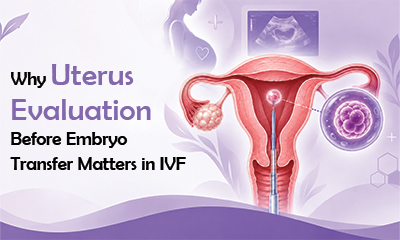








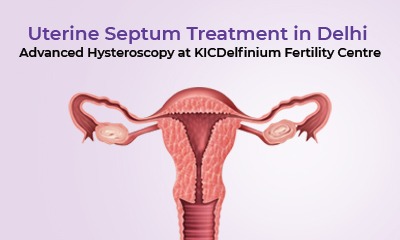




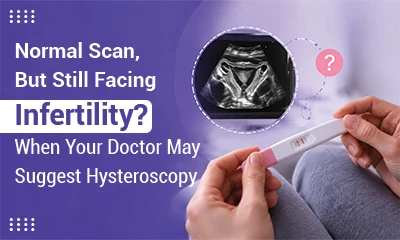
Hysteroscopy before IVF may be advised when your fertility specialist wants to check the uterine cavity more closely before planning an embryo transfer. Ultrasound is an important investigation, but it may not identify every small change inside the uterus. If there is a concern about the uterine cavity, a more direct examination may provide useful information.
Hysteroscopy for fertility is a minimally invasive procedure used to look inside the uterus with a thin camera. The hysteroscope is passed through the vagina and cervix, allowing the doctor to view the uterine cavity on a screen. If a problem is identified, some abnormalities may also be treated during the procedure.
Why Can Fertility Problems Be Missed on an Ultrasound?
Ultrasound gives doctors valuable information about reproductive organs. It can help assess the uterus, ovaries, endometrial lining and developing follicles.
However, some abnormalities are small or located in areas that may be difficult to assess clearly on a routine scan. For example, a small polyp or a thin band of scar tissue may not always be obvious.
This is why fertility evaluation is often based on more than one investigation. Your doctor may consider your symptoms, previous treatments and reproductive history before recommending any additional procedure.
What Is Hysteroscopy Used For?
The main purpose of hysteroscopy is to examine the inside of the uterine cavity directly.
It can help doctors look for:
- Polyps
- Intrauterine adhesions or scar tissue
- Fibroids that extend into the uterine cavity
- Certain structural changes
- Other abnormalities affecting the shape or appearance of the cavity
If something unusual is seen, the fertility specialist can decide whether treatment is necessary.
Why Is the Uterus Checked Before Embryo Transfer?
Embryo transfer is an important stage of IVF. Before transferring an embryo, the fertility team may want to make sure that there are no known problems inside the uterine cavity that require attention.
Hysteroscopy may therefore be discussed in selected patients, particularly when there is a history or finding that raises concern about the uterus.
However, having hysteroscopy does not mean that there is definitely a problem. It is simply one way of getting more detailed information when your doctor feels it may be useful.
Situations Where Hysteroscopy May Be Considered
Your fertility specialist may discuss hysteroscopy if you have:
- Repeated implantation failure
- Recurrent pregnancy loss
- A suspected uterine polyp
- A fibroid that may be affecting the cavity
- Suspected scar tissue
- An unusual finding on imaging
- Previous surgery or a procedure involving the uterus
- Certain unexplained fertility concerns
The recommendation will depend on your individual circumstances.
What Happens During the Procedure?
A hysteroscope is a narrow instrument with a camera at its tip. It is introduced through the natural vaginal passage and cervix to reach the uterus.
The doctor uses the camera to examine the cavity and look for abnormalities. The procedure and type of anesthesia or pain relief used can vary depending on whether it is being performed for diagnosis, treatment, or both.
Your doctor will explain how you should prepare and what to expect after the procedure.
Can Hysteroscopy Treat Uterine Problems?
In selected cases, yes.
One advantage of hysteroscopy is that the doctor may be able to address certain problems during the same procedure. For example, some polyps and adhesions can be removed.
However, the treatment approach depends on what is found and its location and size. Your specialist will discuss the appropriate option with you.
Is Hysteroscopy Required for Every IVF Patient?
No. There is no need for every IVF patient to undergo hysteroscopy.
Your doctor may recommend it based on your fertility history, previous IVF outcomes, symptoms, ultrasound findings and other investigations. For some patients, additional uterine evaluation may not be necessary.
A personalized approach helps avoid unnecessary procedures while ensuring that important concerns are investigated when required.
Hysteroscopy and Ultrasound: Understanding the Difference
Both investigations can be useful, but they provide different information.
An ultrasound uses imaging to assess the reproductive organs from outside the uterine cavity.
A hysteroscopy allows the doctor to directly view the inside of the uterine cavity using a camera.
Therefore, a hysteroscopy may sometimes be suggested when the doctor needs information that cannot be obtained clearly through routine imaging.
Does Finding a Uterine Problem Mean IVF Will Fail?
Not necessarily.
Finding a uterine abnormality does not automatically mean that pregnancy or IVF will be unsuccessful. The significance of the finding depends on its type, size, location and the individual’s overall fertility situation.
If a problem is identified, your fertility specialist can explain whether it requires treatment and how it may affect your fertility plan.
Final Thoughts
A normal ultrasound can provide important information about your reproductive health, but it may not always show every detail inside the uterine cavity. When there is a specific reason to investigate further, hysteroscopy can provide a direct view of the uterus and may help identify certain abnormalities.
At KIC Delfinium, our fertility specialists assess each patient based on their individual fertility history and investigations. If you have experienced repeated implantation failure, recurrent pregnancy loss, or have been advised to have your uterine cavity evaluated, consult our fertility specialists to understand whether hysteroscopy may be appropriate for you.
FAQs
1. Can I have a uterine problem even if my ultrasound is normal?
Yes, some small abnormalities inside the uterine cavity may not be clearly visible on a routine ultrasound. Your doctor may recommend further evaluation if there is a specific reason to investigate.
2. When is hysteroscopy recommended before IVF?
It may be recommended when there is a suspected uterine abnormality, repeated implantation failure, recurrent pregnancy loss, or another reason to examine the uterine cavity more closely..
3. What can a doctor see during hysteroscopy?
A doctor can directly examine the uterine cavity and look for polyps, adhesions, certain fibroids and other structural abnormalities.
4. Can hysteroscopy remove a polyp?
In suitable cases, a polyp can be removed during hysteroscopy. The exact treatment depends on its size, location and the patient’s individual circumstances.
5. Is hysteroscopy needed for every woman undergoing IVF?
No. The need for hysteroscopy varies from patient to patient. Your fertility specialist will consider your medical history, investigations and previous fertility treatment before recommending it.

