
Is Egg Freezing Worth It is a question many women consider when they are not ready for motherhood but want…
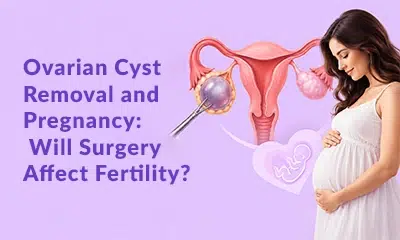
Ovarian cyst removal and pregnancy planning require careful consideration because the ovaries play an important role in reproductive health. An ovarian cyst may need treatment to relieve symptoms, investigate concerning features, or reduce the risk of complications. However, when future pregnancy is a priority, the decision should also account for ovarian reserve and the possibility of affecting healthy ovarian tissue. The most appropriate approach is one that balances medical necessity with individual fertility goals.
Ovarian cyst removal surgery can involve removing the cyst while retaining the ovary, although the procedure and its risks vary according to the cyst type and clinical findings. Some cysts can be monitored without surgery, while others require intervention. Understanding the diagnosis, the reason for treatment, and the available alternatives helps women participate more confidently in decisions about their reproductive health.
Why Does the Type of Ovarian Cyst Matter?
Ovarian cysts are not all the same. Their likely effect on fertility and their treatment options depend on their origin, size, appearance, and symptoms.
Functional cysts: These are associated with the menstrual cycle and often resolve without surgery. When the ultrasound appearance is reassuring, observation may be appropriate.
Endometriomas: These develop in association with endometriosis and may affect ovarian reserve. Their management requires particular care when pregnancy is a priority because both the condition and surgery may influence ovarian function.
Dermoid cysts: These contain different types of tissue and may persist. Surgery may be considered depending on their size, symptoms, and risk of complications.
Complex or persistent cysts: Further assessment may be needed when imaging shows concerning features or the cyst does not resolve as expected.
The presence of a cyst alone does not establish that it is causing infertility. A clinician must consider the full medical picture before recommending treatment.
How Can Ovarian Cysts Affect Fertility?
The relationship between ovarian cysts and fertility depends on the underlying diagnosis.
Endometriomas may be associated with inflammation, endometriosis-related changes, and reduced ovarian reserve. Certain cysts can interfere with access to ovarian follicles during fertility treatment. Large cysts may also increase the risk of
complications, including ovarian torsion.
However, many ovarian cysts do not prevent pregnancy. Fertility is influenced by several factors, including age, ovulation, fallopian tube health, sperm health, and other reproductive conditions.
For this reason, women experiencing difficulty conceiving should not assume that removing a cyst will resolve the problem. A fertility assessment may be necessary to understand the likely causes and determine whether surgery is appropriate.
Understanding Ovarian Reserve Before Surgery
Ovarian reserve refers to the remaining supply of eggs in the ovaries. Two commonly used assessments are:
- Anti-Müllerian hormone (AMH): A blood test that helps estimate ovarian reserve.
- Antral follicle count (AFC): An ultrasound assessment of small follicles in the ovaries.
These tests provide useful information for treatment planning, but neither can independently determine egg quality or guarantee pregnancy.
Baseline ovarian reserve may be particularly relevant if you have endometriomas, a history of ovarian surgery, cysts affecting both ovaries, or plans for fertility treatment.
Your specialist can explain whether testing would change the treatment plan and whether fertility preservation deserves consideration before surgery.
Can Surgery Reduce Ovarian Reserve?
Yes, ovarian surgery can reduce ovarian reserve in some women, although the extent of the effect varies.
During cyst removal, the surgeon aims to separate the cyst from healthy ovarian tissue. Depending on the cyst type, however, the tissue surrounding it may be difficult to distinguish or separate. Bleeding control methods can also affect the surrounding tissue if not carefully managed.
Endometrioma surgery is an important example. Because these cysts may be closely attached to ovarian tissue, some normal tissue can be removed or damaged during the procedure. The risk may be more concerning when both ovaries are affected or surgery is repeated.
At the same time, leaving a cyst untreated may not always be the safest choice. The decision depends on the cyst’s characteristics, symptoms, risk of complications, and possible effects on reproductive health.
Does Removing an Ovarian Cyst Improve Pregnancy Chances?
Not in every case. Surgery may be necessary to address pain, concerning imaging findings, or other clinical risks. It may also be considered when a cyst interferes with fertility treatment.
However, removing a cyst does not guarantee better fertility outcomes. For women with endometriomas who are planning IVF, routine surgery before assisted reproduction is generally not recommended solely to improve live birth rates because it may adversely affect ovarian reserve. Surgery may still be considered for other reasons, including significant pain or difficulty accessing follicles.
This distinction is important: the aim of treatment is not simply to remove every cyst, but to choose the option most appropriate for the woman’s overall health and reproductive goals.
Which Surgical Techniques May Help Preserve Fertility?
Laparoscopic cystectomy is a minimally invasive procedure that uses a camera and instruments inserted through small abdominal incisions. When appropriate, it allows the surgeon to remove the cyst while attempting to preserve healthy ovarian
tissue.
The surgical plan may involve careful dissection and methods to control bleeding while minimising unnecessary damage to the ovary. However, laparoscopy is not appropriate for every case, and the procedure’s suitability depends on the clinical findings.
Before surgery, ask your doctor about the expected benefits, potential complications, alternative approaches, and implications for future pregnancy.
Should You Consider Fertility Preservation?
Egg freezing may be worth discussing when there is concern about ovarian reserve or when treatment may affect both ovaries. It may also be relevant for women who have previously undergone ovarian surgery or have other risk factors for reduced ovarian function.
Fertility preservation is an individual decision. It involves considering age, ovarian reserve, expected response to stimulation, cost, timing, and future reproductive plans.
A fertility specialist can explain whether egg freezing is a reasonable option in your particular circumstances. It is not a routine requirement before every ovarian cyst operation.
Planning Pregnancy After Ovarian Cyst Removal
After surgery, follow-up may include reviewing the operative findings, monitoring recovery, and discussing whether additional investigations are needed.
The timing of pregnancy attempts depends on the procedure, healing, complications, and any additional treatment. There is no universal waiting period that applies to every woman.
If conception does not occur, an assessment may review ovarian reserve, ovulation, fallopian tube health, sperm factors, and other potential causes. Depending on the findings, options may include expectant management, ovulation induction, IUI, or
IVF.
At KICDelfinium Delhi, women concerned about fertility after ovarian cyst removal can discuss their medical history, reproductive goals, and possible next steps with a qualified fertility specialist.
Frequently Asked Questions
1. Can ovarian cyst removal affect future pregnancy?
It can affect ovarian reserve in some cases, but many women conceive after surgery. The outcome depends on the cyst type, the procedure, age, and other fertility factors.
2. Which ovarian cyst has the greatest concern for ovarian reserve?
Endometriomas require particular consideration because both endometriosis and surgery may affect ovarian function. Individual risks vary.
3. Is surgery always necessary for a persistent ovarian cyst?
Not necessarily. The decision depends on its appearance, size, symptoms, changes over time, and risk of complications. Your doctor may recommend monitoring or further investigation.
4. Should I freeze my eggs before ovarian cyst removal?
Egg freezing may be worth discussing if ovarian reserve is reduced or surgery may significantly affect ovarian tissue. It is not necessary for everyone.
5. Can I undergo IVF after ovarian cyst surgery?
Yes, IVF may be possible after surgery. The treatment plan depends on ovarian reserve, age, recovery, and other fertility factors.
6. Will removing an endometrioma improve IVF success?
Not necessarily. Routine surgery solely to improve IVF outcomes is generally not recommended because it may reduce ovarian reserve. Other clinical reasons may justify surgery.
Conclusion
Ovarian cyst removal and fertility planning should be considered together rather than as separate decisions. Although surgery may be medically necessary in some cases, it can also affect ovarian reserve, particularly when endometriomas or both ovaries are involved.
Understanding the type of cyst, assessing fertility when appropriate, and discussing alternatives before surgery can help you make an informed decision. If pregnancy is part of your future plans, seek individual medical guidance to determine the most suitable approach for your circumstances.